26 Best Houseplants for Small Apartments: A Guide to Your Urban Jungle
Some links in this post may be affiliate links
Living in a small apartment does not mean you have to sacrifice the joy of greenery. Whether you are dealing with a cozy studio or a high-rise flat with limited sunlight, the right indoor plants can transform your living space into a refreshing sanctuary.
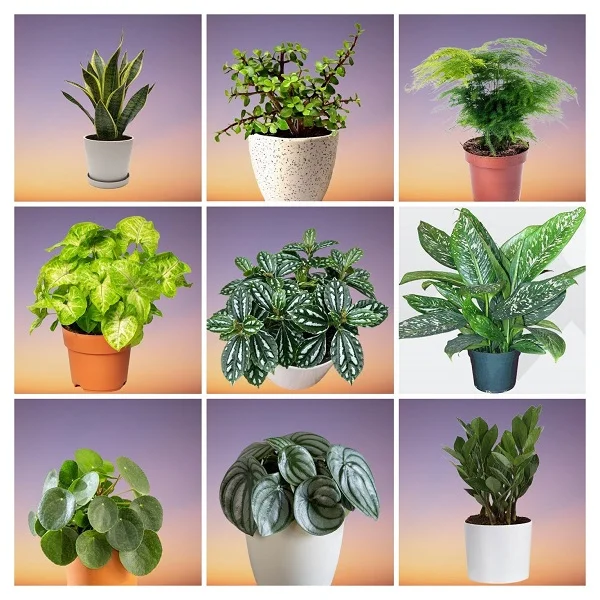
With the right space-saving techniques, you can enjoy greenery without cluttering your home. From compact plants to vertical and hanging plants, these options are perfect for tight spaces and busy lifestyles.
When selecting plants for a small apartment, focus on vertical growth, slow-growing species, and low-light tolerance. You can place the plants on a tabletop, desktop, pedestal, shelf, stand or windowsill, in a hanging basket or any other place where space is limited.
In a small apartment, keeping the plants pot-bound is advisable. By keeping the plants in slightly smaller pots (and refreshing the soil annually instead of increasing the pot size), you can keep their growth manageable.
How to Maximize Space with Indoor Plants
If your square footage is limited, use these design hacks to incorporate more greenery in your home:
- Utilize Vertical Space: Use wall-mounted planters or tiered plant stands to keep your floor clear.
- Window Sills: Succulents and cacti thrive on sunny sills and take up very little depth.
- Mirror Magic: Place a plant in front of a mirror. It doubles the visual 'greenery' without taking up an extra inch of space.
Transform your compact living space with the best houseplants for small apartments. Below are 26 easy-care indoor plants and space-saving decor tips to create your own urban jungle.
26 Low Maintenance Houseplants for Small Apartments
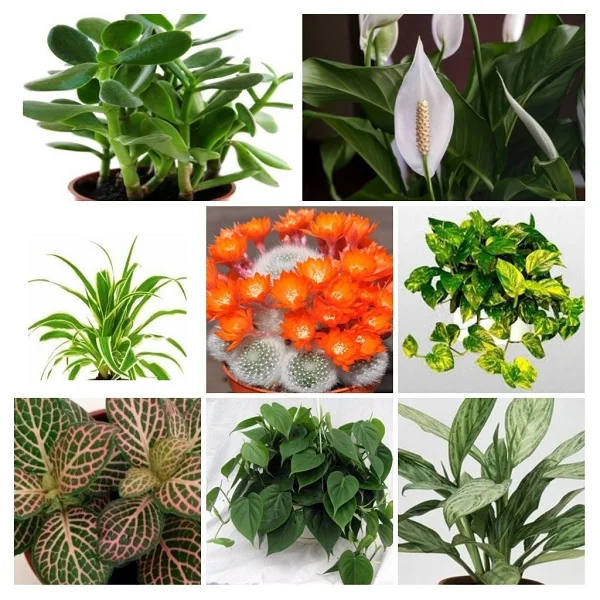
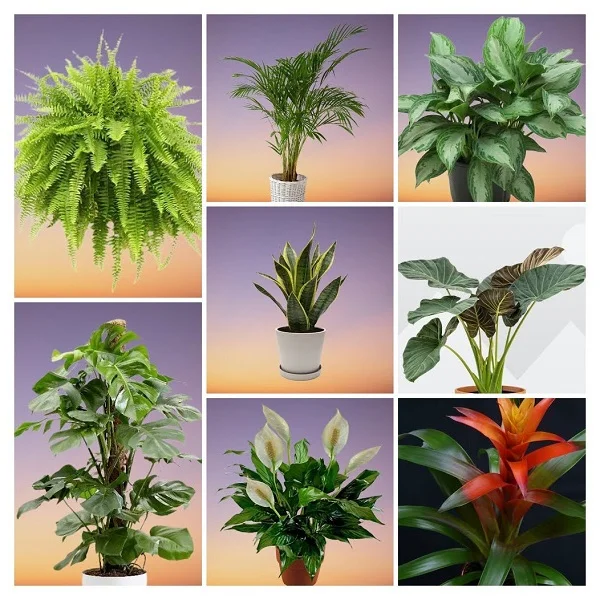
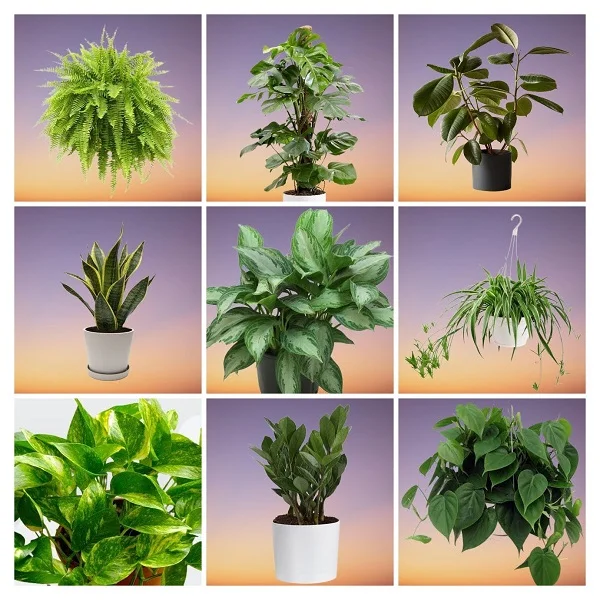
Best houseplants for small apartments are Snake Plant, Pothos, ZZ Plants, Heartleaf Philodendron, Chinese Evergreens, Spider Plant, Peace Lily, Arrowhead Vines, Jade Plant among others.
1. Snake Plant (Dracaena trifasciata)
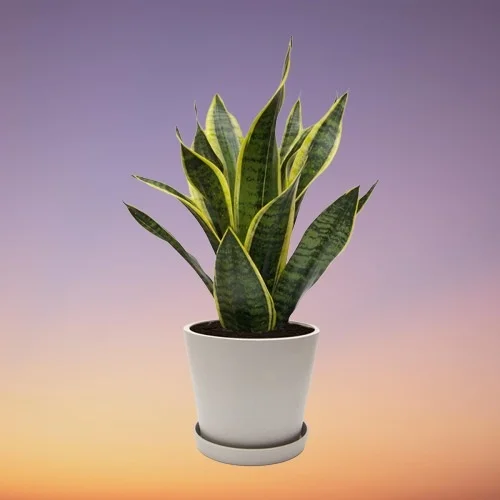
Snake Plant is a slow-growing, low-maintenance, extremely hardy and almost indestructible plant. It bears long upright and beautifully colored foliage with a minimum outward spread making it perfect for narrow corners or sitting behind a sofa. Use a tall, slim planter to accentuate its height.
The Snake Plants can tolerate low light, dry air, drafts and periods of dryness. They are also reknowned for their air-cleaning abilities.
Snake Plant will thrive in low light to direct sun, average warmth and humidity, and moderately moist, loose, fertile, fast-draining soil. Learn how to grow and care for Snake Plants.
2. Pothos (Scindapsus aureus)
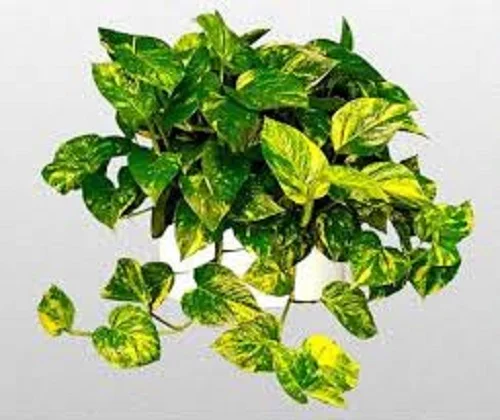
Pothos are very colorful and very versatile plants. This coupled with their air cleaning properties make these plants excellent choice for hassle-free houseplants.
Pothos varieties can be treated as a trailer in a hanging basket or as a climber on a moss-pole, trellis or wall, or as a tabletop plant.
Scindapsus aureus grow best in medium to bright indirect light, warm and humid conditions, and moderately moist, rich, well-drained soil. Learn more on how to grow and care for Pothos.
3. ZZ Plant (Zamioculcas zamiifolia)
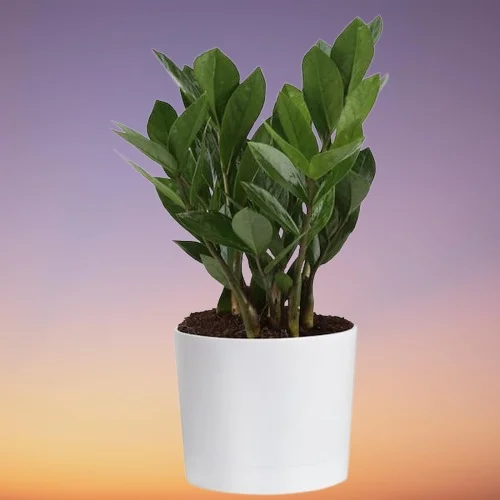
ZZ Plant also called Zanzibar Gem, Zuzu Plant, Aroid Palm or Emerald Palm is one of the popular houseplants due to its attractive, glossy, dark-green foliage and tolerance to less than perfect growing conditions.
On account of its compact size growing to a height of about 1 foot, Zuzu Plant is perfect for a desk top, hallway console or bedside table. Zanzibar Gem is a good air-cleaner and gets rid of benzene, toluene, xylene and ethylbenzene from indoor air.
Zamioculcas zamiifolia blossoms in medium to bright indirect light, average warmth and humidity, and moderately moist, fertile succulents soil coupled with monthly feeding in the growing season. Read more on how to grow and care for ZZ Plant.
4. Heartleaf Philodendron (Philodendron scandens)
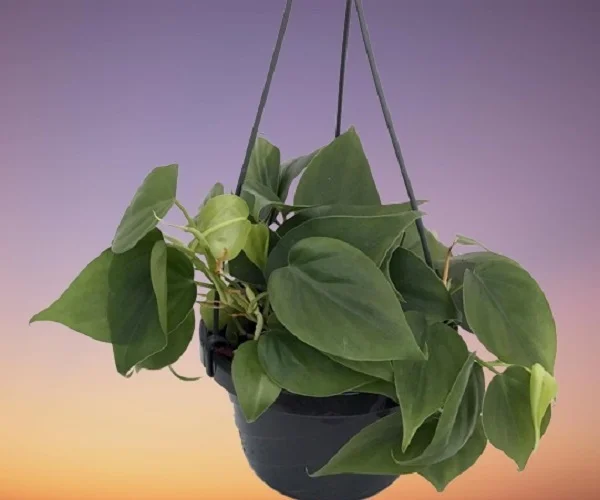
Heartleaf Philodendron also called Sweetheart Plant is a popular plant on account of the heart-shaped leaves and its air-cleaning properties. It is perfect for a hanging basket, as a climber on a wall, trellis or moss-pole, or for draping a high shelf to create a 'living curtain' effect.
Based on its ability to withstand neglect and poor growing conditions, Sweetheart Plant is one of the well-liked hard to kill plants and can last for decades.
Philodendron scandens thrives in medium to bright indirect light, warm and humid conditions, and moderately moist, rich, well-drained soils. Learn how to grow and care for Heartleaf Philodendron.
5. Chinese Evergreens (Aglaonema)
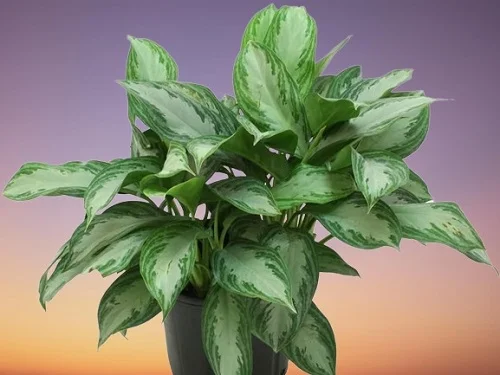
Chinese Evergreens are small-sized plants which bear spear-shaped leaves on short stems. They grow with a minimal outward spread which makes them ideal for the limited spaces in small apartments. They are also good indoor air-cleaners.
Chinese Evergreens are among favored easy-care plants and adapt well to varying light levels; they will even survive in the poorly lit spots.
Aglaonema flourish in medium to bright indirect light, warm and humid conditions, and moderately moist, rich, well-drained soils coupled with regular feeding in the growing season. Read more on how to grow and care for Chinese Evergreens.
6. Spider Plants (Chlorophytum comosum)
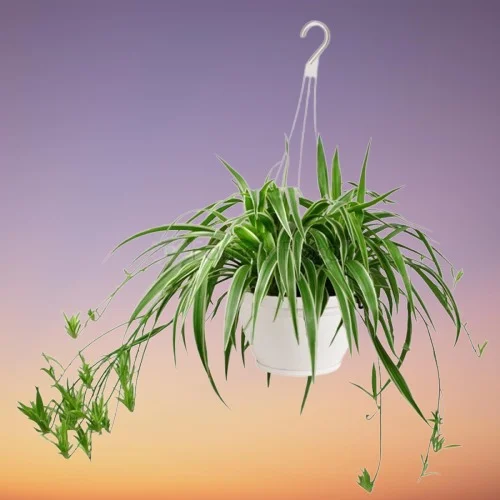
Spider Plant also called Airplane Plant, Spider Ivy or Ribbon Plant is a popular indoor plant for a hanging basket, pedestal, tabletop, plant shelf or windowsill. It is fast-growing, easy-care and a good air-cleaner.
Spider Plants are extremely adaptable to a wide range of growing conditions; they will grow in hot or cool rooms, in sun or shade and will withstand dry air.
Chlorophytum comosum will thrive in medium to bright indirect light, average warmth and humidity, and consistently moist, rich, well-drained soil coupled with regular feeding in the growing season. Learn more on how to grow and care for Spider Plants.
7. Peace Lily (Spathiphyllum wallisii)
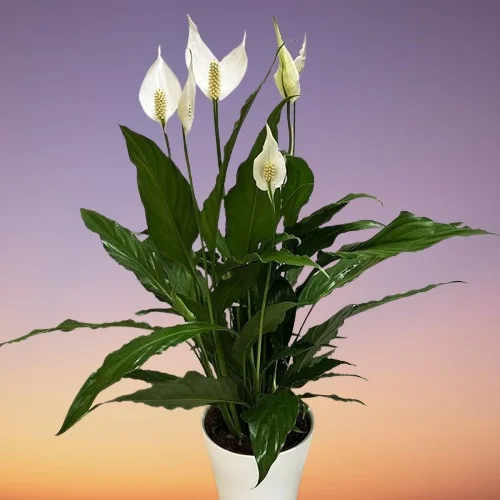
Peace Lily also called White Sails or Spathe Flower is an air-cleaning plant which bears glossy, dark-green leaves with a minimum outward spread, making it ideal for a bedside table, study table or counter top.
White Sails is one of the popular flowering plants grown for its beautiful, large, white blooms which are a magnificient sight in any space.
Spathiphyllum wallisii grows best in bright indirect light, warm and humid conditions, and moderately moist, fertile, well-drained soil coupled with monthly feeding during the growing season. Learn how to grow and care for Peace Lily.
8. Arrowhead Vine (Syngonium podophyllum)
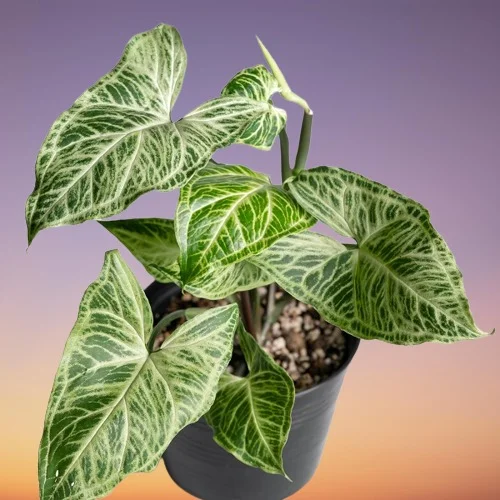
Arrowhead Vine also called Goosefoot Vine, Arrowhead Plant, African Evergreen, Arrowhead Philodendron, American Evergreen or Nephthytis is a compact plant with arrow-shaped leaves which dramatically change in shape as the plant ages.
Many Syngonium varieties are available with the main difference being in the position and extent of the cream or white markings. Some leaves are almost entirely white, pink, red or yellow.
Syngonium podophyllum thrives in bright indirect light, average warmth and humidity, and consistently moist, rich, well-drained soils coupled with monthly feeding in the growing season. Learn more on how to grow and care for Arrowhead Vines.
9. Jade Plant (Crassula ovata)
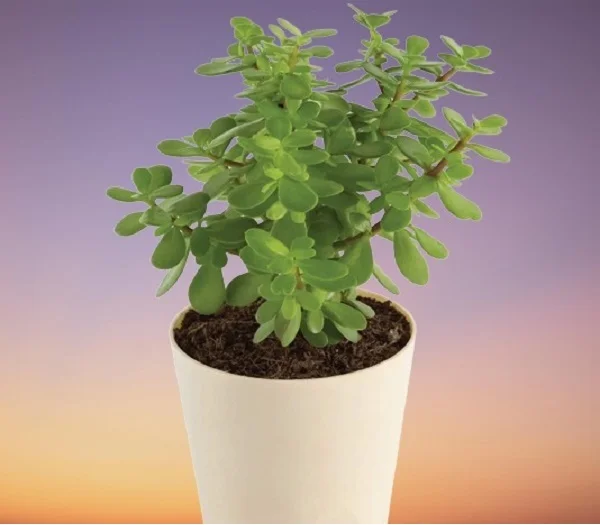
Jade Plant grows upright with minimal outward spread which makes it perfect for small apartments as space is limited. It is easy to grow, will tolerate some level of neglect, and can go for a considerably long period without water.
Jade Plant like its cousins Crassula tetragona (Miniature Pine Tree), Crassula picturata (Tiger Jade Crassula) and Crassula elegans (Elegant Crassula) are some of the favorite plants for the limited spaces.
Crassula ovata prospers in bright light with some direct sunshine, average warmth and humidity, and moderately moist, fertile, fast-draining succulents soil coupled with monthly feeding in the growing season. Read more on how to grow and care for Jade Plant.
10. Corn Palm (Dracaena fragrans)
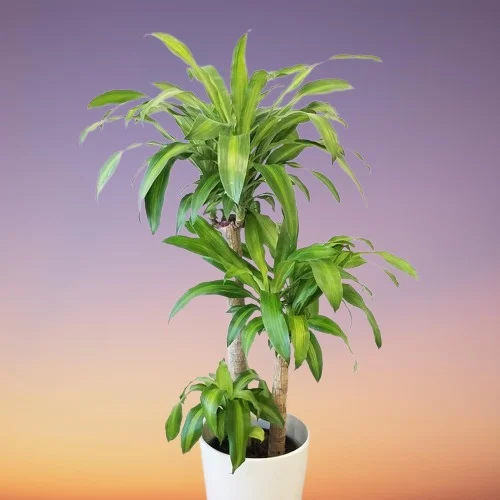
Corn Palm or Corn Plant grows with a minimal outward spread which saves on space, making it perfect for small apartments. The brightly colored foliage will add a splash of color in any space. It can be grown as a stand alone plant in a corner or on a table, to provide a bold and attractive focal point.
The Corn Plant is among the low-maintenance Dracaena varieties, which does not like to be exposed to direct sunlight because it can lead to scorching of the beautiful leaves.
Dracaena fragrans performs best in bright indirect light, average warmth and humidity, and consistently moist, rich, well-drained soil. Learn how to grow and care for Corn Palm.
11. English Ivy (Hedera helix)
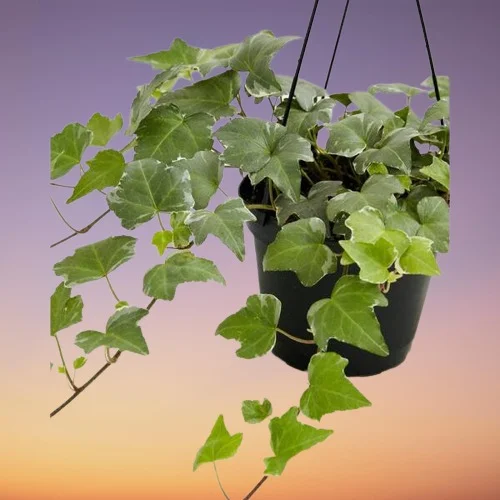
English Ivy also called Common Ivy or European Ivy is a climbing plant ideal for a hanging basket, trellis, pedestal, tabletop, shelf, windowsill and other limited spaces. It is a hardy plant which will withstand a wide range of growing conditions and will not die from a few days neglect.
Common Ivy is among air-purifying plants and gets rid of formaldehyde, benzene, xylene, toulene, trichloroethlyene and air-suspended dust partcicles from indoor air.
Hedera helix flourishes in bright indirect light, warm and humid conditions, and moderately moist, fertile, well-drained soils. Learn more on how to grow and care for English Ivy.
12. Parlour Palm (Chamaedorea elegans)
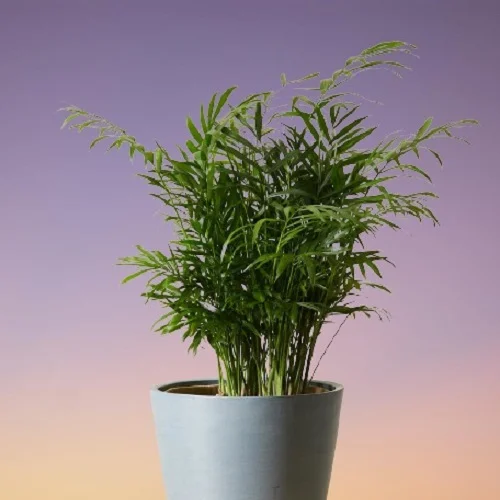
Parlour Palm is one of the favorite indoor palms, and features dense, deep-green, feathery foliage on arching branches with a minimal outward growth which makes it perfect for small apartments.
Parlour Palm is also ideal for a bottle garden or a terrarium. It has a high tolerance to low light conditions and is also a good indoor air-cleaner.
Chamaedorea elegans thrives in medium to bright indirect light, average warmth and humidity, and moderately moist, rich, free-draining soils. Learn how to grow and care for Parlour Palm.
13. String of Beads Plant (Senecio rowleyanus)
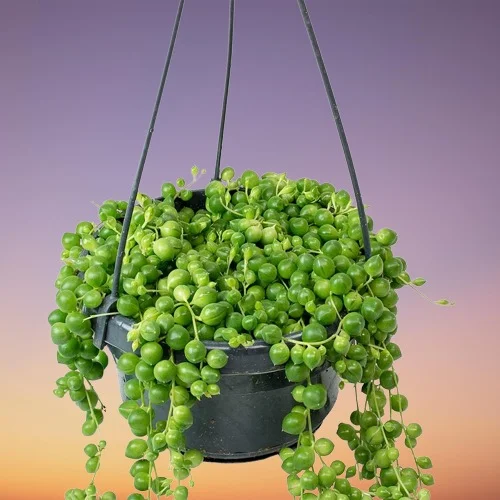
String of Beads Plant also called String of Pearls Plant is among the popular Senecio varieties and bears pendant, thread-like stems on which grow spherical, green leaves, making it ideal for a hanging basket, tabletop, shelf and other limited spaces.
The String of Pearls Plant succulent leaves and stems enable it survive considerably long periods without being watered, and is considered as one of the best drought-tolerant plant for indoor growing.
Senecio rowleyanus prospers in bright light with some direct sunlight, moderate warmth and humidity, and moderately moist, fertile, well-drained succulents soil coupled with monthly feeding in the growing season. Learn more on how to grow and care for String of Beads Plant.
14. Chinese Money Plant (Pilea peperomioides)
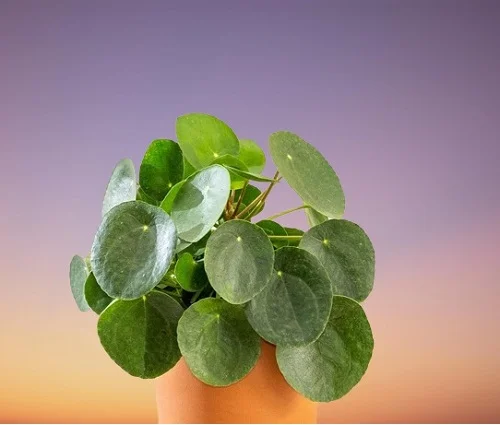
Chinese Money Plant also called Missionary Plant, Friendship Plant, Pancake Plant or UFO Plant is easy to grow and propagate, making it easy to share with friends and hence the common name, 'Friendship Plant'.
Missionary Plant is a low-growing, compact plant with a minimal outward spread, thus is a good choice for a pedestal, tabletop, desktop, plant shelf or windowsill.
Pilea peperomioides thrives in bright indirect light, warm and humid conditions, and moderately moist, fertile, fast-draining soil. Read more on how to grow and care for Chinese Money Plant.
15. Cast Iron Plant (Aspidistra elatior)
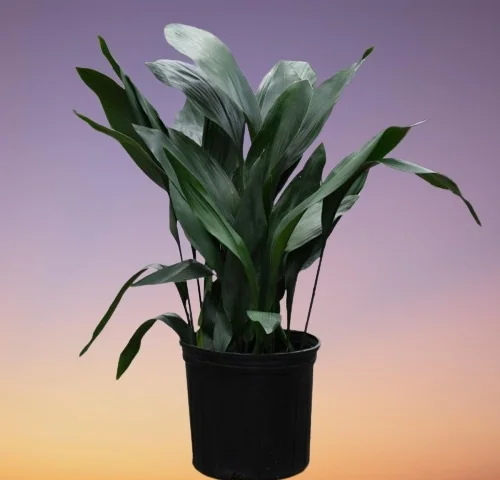
Cast Iron Plant easily adapts to varying indoor growing conditions. The plant is among small low-light plants and is very tolerant to shade and some level of neglect. It grows slowly and handles drafty hallways and dark corners with ease.
The plant grows to a height of about 1.5 feet to 2.5 feet. The glossy, dark-green leaves, about 12-20 inches long are grouped in small tufts of 2-4. On account of its size, Cast Iron is perfect for a small apartment.
Aspidistra elatior does well in medium to bright indirect light, average warmth and humidity, and moderately moist, fertile, free-draining soil. Learn more on how to grow and care for Cast Iron Plant.
16. Silver Vines (Scindapsus pictus)
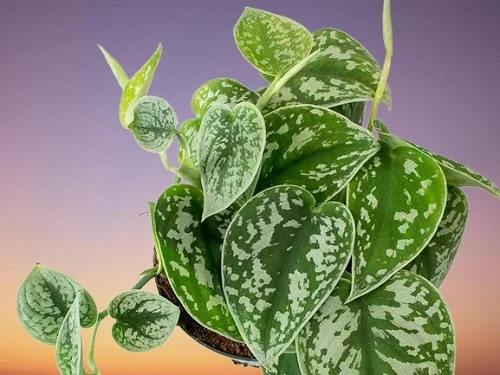
Silver Vines also called Silver Pothos, Satin Pothos or Silver Philodendron are evergreen, climbing plants which bear matte-green leaves covered in silver blotches with a satin sheen.
Silver Pothos like other Scindapsus pictus Pothos can be treated as a trailer or climber or the stems can be allowed to trail from a hanging basket or wall display.
Scindapsus pictus grow best in medium to bright indirect light, warm and humid conditions, and moderately moist, rich, well-drained soil. Learn more on how to grow and care for Silver Vines.
17. Aluminium Plant (Pilea cadierei)
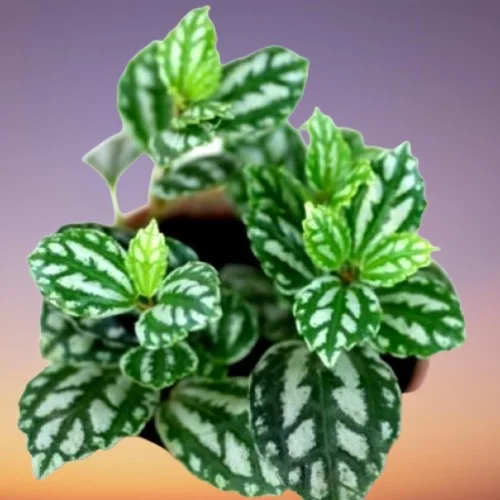
Aluminium Plant or Watermelon Pilea is an evergreen plant which bears dark-green, oval leaves, each bearing raised silvery patches and hence the common names.
Watermelon Pilea is a low-growing which grows to a height of 1 feet only and 18 inches wide making it ideal for a small apartment. On account of its love for moisture, the plant is perfect for a well-lit bathroom, kitchen or laundry area where the conditions are consistently warm and humid.
Pilea cadierei flourishes in bright indirect light, warm and humid conditions, and moderately moist, rich, well-drained soil. Learn how to grow and care for Aluminium Plant.
18. Asparagus Fern (Asparagus plumosus)
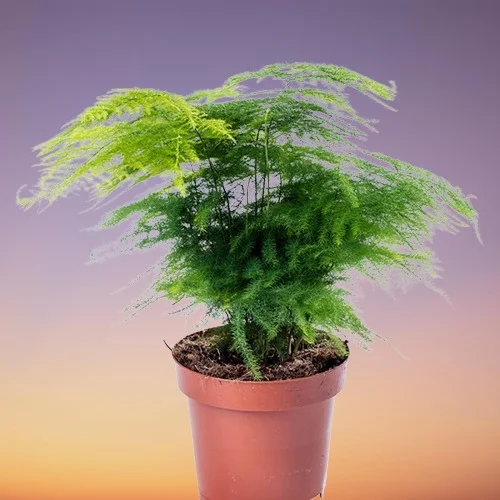
Asparagus fern also called Asparagus Grass or Lace Fern is ideal for a hanging basket, pedestal or tabletop where the beautiful, feathery, needle-like branches can gracefully droop downwards.
Lace Fern is one of the popular ornamental Asparagus ferns and easily adapts to a wide variation in light, heat and frequency of watering. It is a hardy plant that can tolerate some level of neglect.
Asparagus plumosus performs best in medium to bright indirect light, average warmth and humidity, and moderately moist, rich, free-draining soils. Learn more on how to grow and care for Asparagus Fern.
19. Teardrop Peperomia (Peperomia orba)
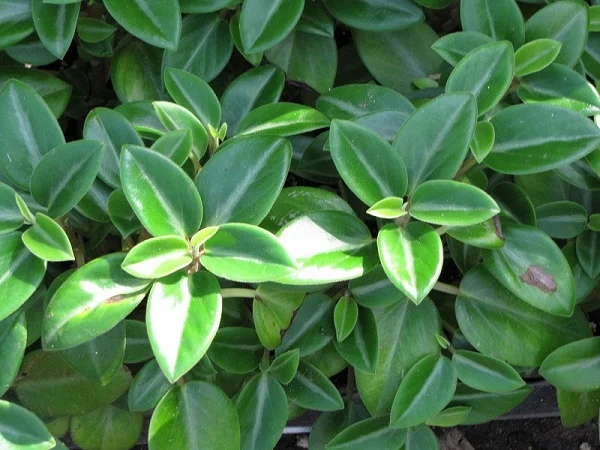
Teardrop Peperomia is one of the well-loved Peperomia varieties, and bears delicate, fleshy, dark-green, oval-shaped leaves and hence the common name, 'teardrop'.
Teardrop Peperomia is a semi-succulent, slow growing, compact plant which grows to a height of about 6 inches. On account of its compact size, Peperomia orba is perfect for the small apartments and can be grown on a table, desk, shelf or windowsill.
Peperomia orba thrives in medium to bright indirect light, average warmth and humidity, and moderately moist, fertile, fast-draining succulents soil coupled with monthly feeding in the growing season. Learn how to grow and care for Teardrop Peperomia.
20. Desert Cacti
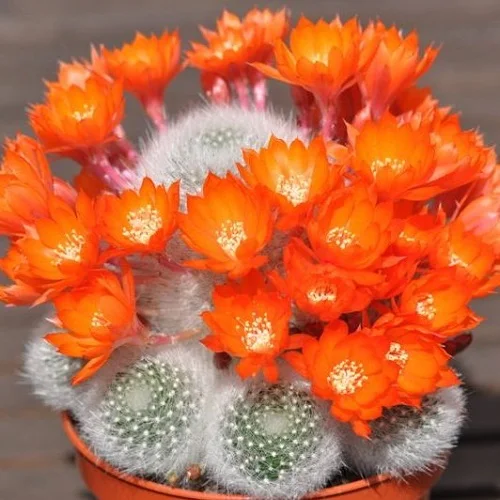
Desert Cacti are plants with minimal outward spread which is ideal for the small spaces. The trailing types can be grown in a hanging basket, the ball-like can be placed on a table, while the columnar types can be grown as focal plants in a corner.
Desert Cacti like Aloes, Echeverias, Haworthia and Sempervivums are compact, hardy plants which can tolerate a high level of neglect.
Desert Cacti flourish in in bright light to full sunlight, average warmth and humidity, and moderately moist, free-draining cactus soil coupled with monthly feeding in the growing season. Read more on how to grow and care for Desert Cacti.
21. Pygmy Date Palm (Phoenix roebelenii)
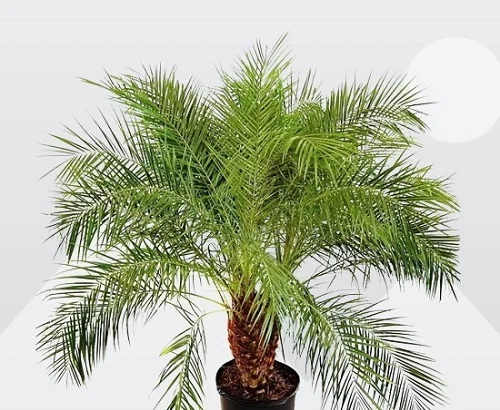
Pygmy Date Palm also called Dwarf Date Palm is a popular palm on account of its beautiful foliage and tolerance to drought and shade conditions.
Dwarf Date Palm is a compact, slow-growing, slender tree which grows to a height of 3-5 feet and about the same width. These characteristics place it among popular plants for limited spaces, reminiscent of small apartments.
Phoenix roebelenii prospers in bright indirect light, average warmth and humidity, and moderately moist, fertile, well drained soil coupled with monthly feeding in the growing period. Learn how to grow and care for Pygmy Date Palm.
22. Lemon Button Fern (Nephrolepis cordifolia 'Duffii')
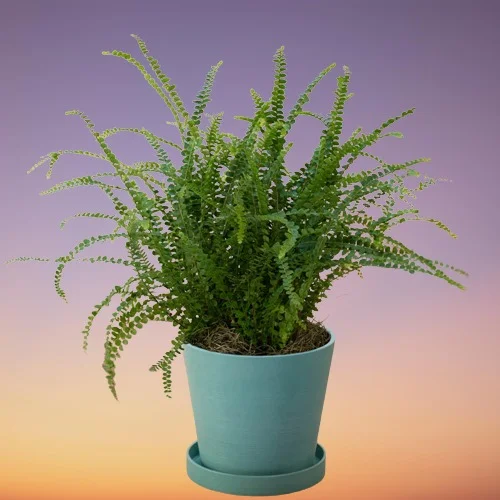
Lemon Button Fern also called Button Sword Fern, Fishbone Fern or Little-leaved Sword Fern is among popular fern plants and features gracefully, drooping stems and small, round, button-like leaves which release a lemony aroma when crushed, hence the common name 'Lemon Button Fern'.
Button Sword Fern is a compact fern which grows to a height of about 1 ft and 1 ft wide, making it like its cousin Boston Fern (Nephrolepis exaltata 'Bostoniensis'), perfect for small apartments where they can be displayed in a hanging basket or on a tabletop, desktop or plant shelf.
Nephrolepis cordifolia 'Duffii' grows best in bright indirect light, warm and humid conditions, and consistently moist, rich, free-draining soil coupled with fortnightly feeding in the growing season. Read more on how to grow and care for Lemon Button Fern.
23. Maranta Plant (Maranta leuconeura)
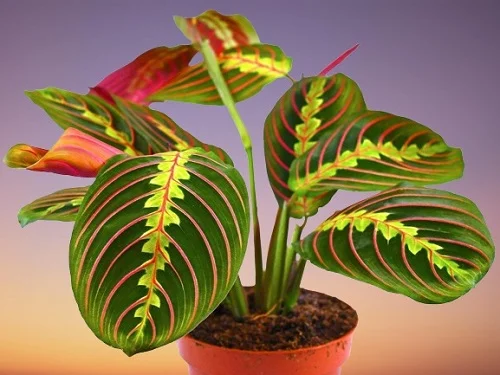
Maranta like Ctenanthe and Stromanthe are known for their characteristic habit of folding and raising their leaves at night, hence, their common name, 'Prayer Plants'.
Maranta Plants are low-growing plants, rarely exceeding the height of 8 inches. The leaves are about 6 inches long. These characteristics make these plants perfect for growing in small apartments.
Maranta leuconeura flourish in medium to bright indirect light, warm and humid enviroment, and consistently moist, fertile, well-drained soil. Learn how to grow and care for Maranta Plants.
24. String of Hearts Plant (Ceropegia woodii)
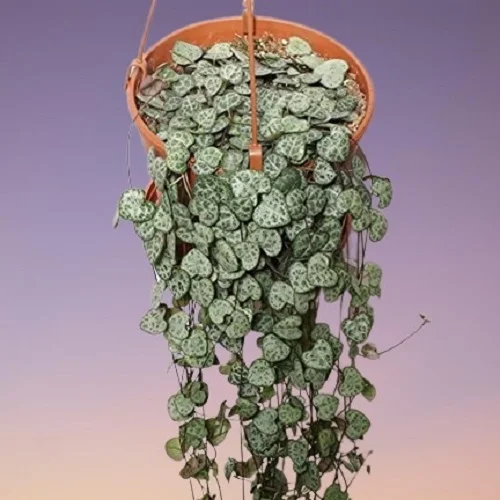
String of Hearts Plant also called Rosary Vine, Chinese Lantern or Chain of Hearts is among the string of plants, and features trailing stems and fleshy, grey-green leaves with an eye-catching marbled pattern.
On account of its ease of care and trailing stems, Chain of Hearts Plant is one of the popular plants for a hanging basket, tabletop, shelf or windowsill, where it can display its spectacular foliage.
Ceropegia woodii requires bright indirect light, average warmth and humidity, and moderately moist, rich, fast-draining soil coupled with monthly feeding in the growing season. Learn more on how to grow and care for String of Hearts Plant.
25. Watermelon Peperomia (Peperomia argyreia)
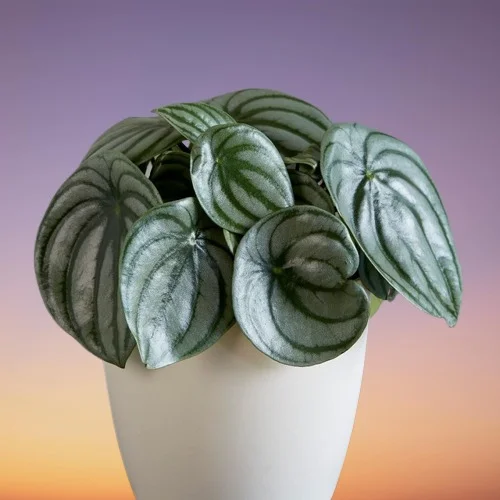
Watermelon Peperomia or Watermelon Begonia is a compact, upright, bushy plant with slightly-fleshy, oval-shaped, green leaves which are strikingly marked with curved silver stripes resembling the skin of a watermelon, hence the common name.
Watermelon Begonia grows to a height of about 12 inches and about 10 inches wide making it fitting for a small apartment where space is limited. It is among pet-safe plants ideal for growing in a home with cats, dogs and other pets.
Peperomia argyreia flourishes in bright indirect light, warm and humid conditions, and moderately moist, fertile, well-drained soil coupled with monthly feeding in the growing period. Learn how to grow and care for Watermelon Peperomia.
26. Nerve Plants (Fittonia)
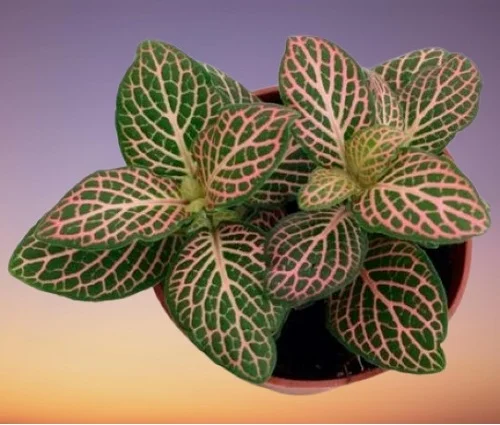
Nerve Plants also called Net Plants, Lace leaf or Snakeskin are easily recognisable from their leaves which bear a network of white, pink or red veins.
Net Plants are compact, low-growing, moisture-loving plants. They are perfect for a small bathroom, kitchen, laundry area, closed terrarium and other humid areas.
Fittonia thrives in medium to bright indirect light, warm and humid conditions, and consistently moist, rich, well-drained soil coupled with monthly feeding in the growing season. Learn how to grow and care for Nerve Plants.
Frequently Asked Questions (FAQs)
1. How often should I water plants in a small apartment?
Always check the top 1-2 inches of soil; if it feels dry, it is time to water. If it feels wet, wait a few more days.
2. How do I stop my plants from getting too big?
You can manage your plants size by regular pruning and by keeping it in a smaller pot to restrict root growth. In addition, avoid high-nitrogen fertilizers which encourage rapid foliage growth.
3. What is the best way to get rid of pests in a small apartment?
Regularly wipe the leaves leaves with a damp cloth and use of neem oil or insecticidal soap is a safe, effective way to control and prevent outbreaks without using harsh chemicals in your living area.
4. What are the best low-maintenance plants for beginners?
Pothos, Snake Plants and Spider Plants are some of the easiest for beginners because they are forgiving of irregular watering schedules and varied light levels.
5. Which plant is best for a bedroom with no windows?
While no plant can live in total darkness, the ZZ Plant and Snake Plant are the most tolerant of extremely, low-light conditions. Consider rotating them with a plant in a brighter spot every few weeks or using a small full spectrum grow light.
6. Are these plants safe for pets?
If you have pets, consider non-toxic plants like Peperomias, Spider Plants, Chinese Money Plant, Nerve Plants and Maranta. However some of the plants like Pothos and Snake Plants are toxic if ingested by cats or dogs.
7. How do I arrange plants in a studio apartment?
The best way to arrange plants in a studio is to use them as room dividers. A tall, thin plant like a Snake Plant or a bookshelf filled with Pothos can visually separate your 'bedroom' area from your 'living' area without the need for heavy furniture or walls.