15 Best Low Light Indoor Trees that Grow in Shade with Names and Pictures
Some links in this post may be affiliate links
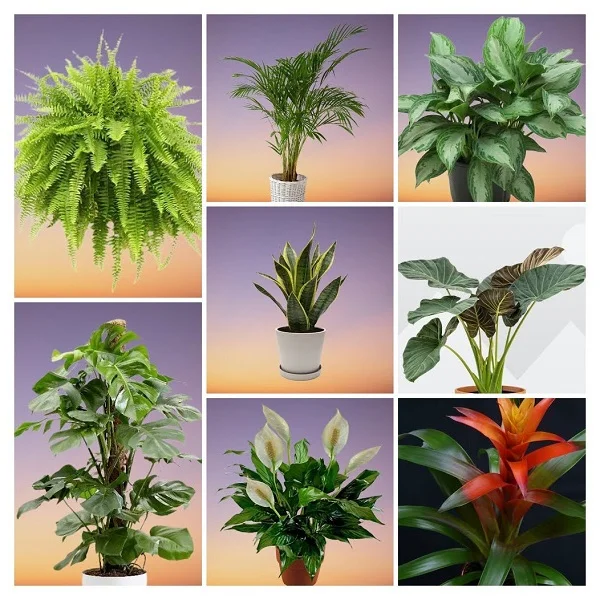
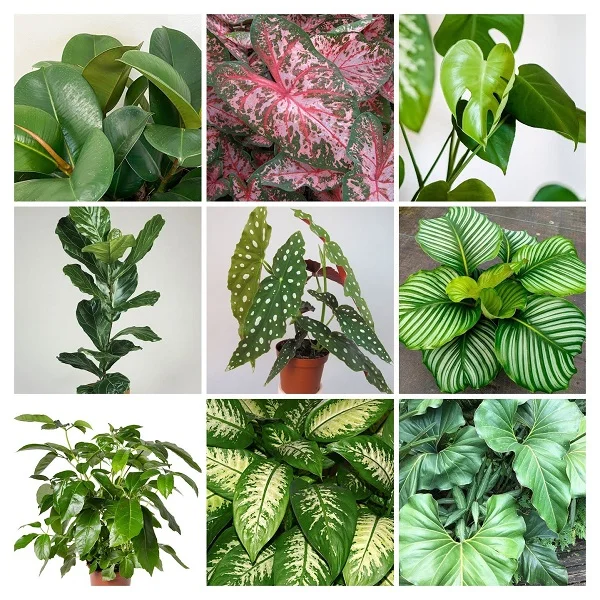
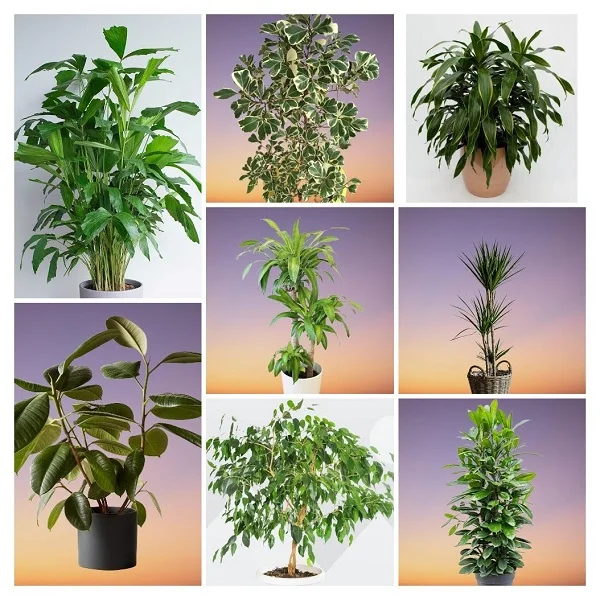
Low-light indoor trees are large or tall plants which easily adapt to shade or dark spaces and continue to brighten up these shaded spaces. These low-light indoor trees are perfect for beginners and busy plant parents who want greenery without constant care.
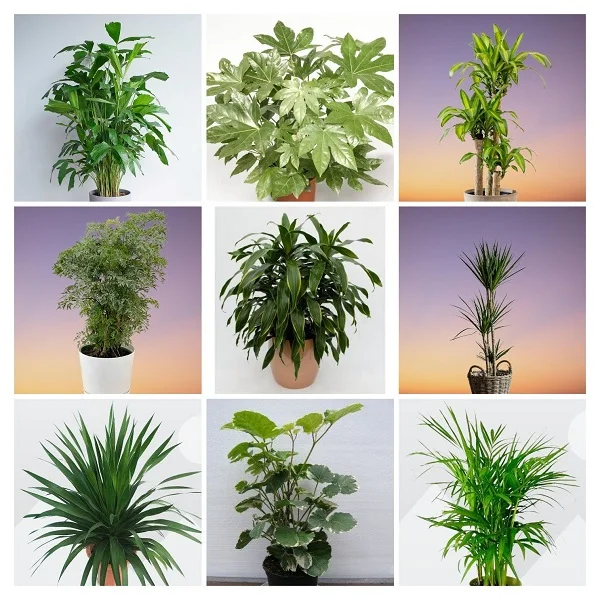
Indoor Trees can grow to a height of 4-10 feet when grown indoors. They are perfect for filling large empty spaces where they will create a dramatic effect. However, their size can be cotrolled through pruning.
Finding indoor trees that survive in low-light can feel tricky, but the good news is that several beautiful tree-like houseplants thrive even in shaded rooms, offices and apartments with small windows.
Most indoor trees are low-maintenance plants. When selecting trees for dark spaces, consider their level of care and go for the easy-care trees. We have below outlined 15 tree plants for low-light indoors to make it easier to choose your favorite one.
15 Best Indoor Trees for Dark Spaces
The best low-light indoor trees are Madagascar Dragon Tree, Corn Palm, Butterfly Palm, Hawaiian Schefflera, Begonia lucerna, Fishtail Palm, Reed Palm among others.
1. Madagascar Dragon Tree
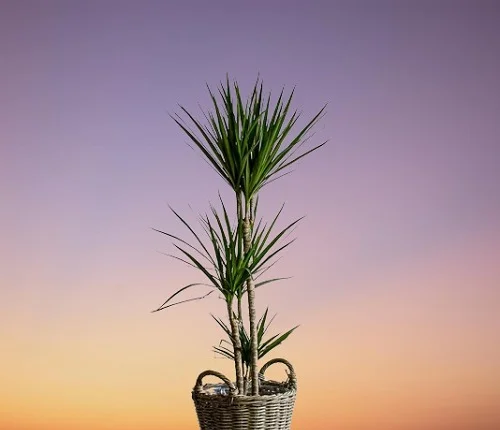
Botanical name: Dracaena marginiata
Common name: Madagascar Dragon Tree
Origin: Madagascar and other Indian Ocean Islands
Height: 8-10 ft
Madagascar Dragon Tree is a tough, drought-tolerant, bold statement plant for the poorly-lit spaces as it easily adapts to a wide range of growing conditions.
Dracaena marginata is among popular Dracaena varieties, features vibrant, colorful foliage, and is an effective indoor air-cleaner.
Madagascar Dragon Tree prefers bright to medium indirect light, average warmth and humidity, and moderately moist, rich, well-drained soil coupled with monthly feeding during the growing season. Read more on how to grow and care for Madagascar Dragon Tree.
2. Copperleaf Plant
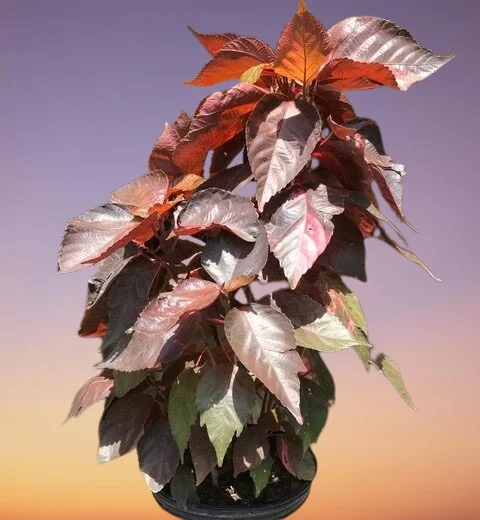
Botanical name: Acalypha wilkesiana
Common name: Copperleaf Plant, Jacob's Coat, Fire Dragon Plant
Origin: Fiji Islands, New Caledonia
Height: 9-10 ft
Acalypha wilkesiana is one of the popular, vibrant tree-like plants which exhibits attractive leaf colors making it a great accent plant in any space.
The broad, ovate to heart-shaped, serrated leaves can range from red, copper, bronze to pink, green and white, giving them a beautiful, striking appearance. It is one of the best plants for the living room where it will create a magnificent first impression.
Acalypha wilkesiana flourishes in bright indirect light, moderate warmth and humidity and evenly moist, rich, well drained soil coupled with fortnightly feeding in the growing season. Learn more on how to grow and care for Copperleaf Plant.
3. Butterfly Palm
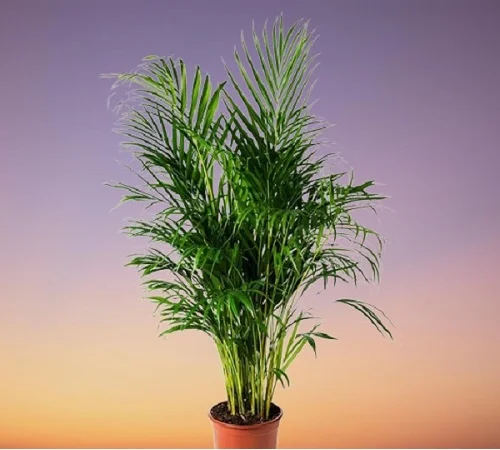
Botanical name: Dypsis lutescens
Common names: Areca Palm, Butterfly Palm, Golden Cane Palm, Yellow palm
Origin: Madagascar
Height: 6-10 ft
Butterfly Palm is among popular indoor palms, bearing yellowish bamboo-like stems and gracefully drooping fronds creating an air of elegance in any space.
Areca Palm is a good air-purifier which gets rid of formaldehyde, xylene and toulene from indoors air.
Dypsis lutescens thrives in bright to medium indirect light, average warmth and humidity, and moderately moist, fertile, well-drained soil accompanied by monthly feeding during the growing season. Read more on how to grow and care for Butterfly Palm.
4. Hawaiian Schefflera
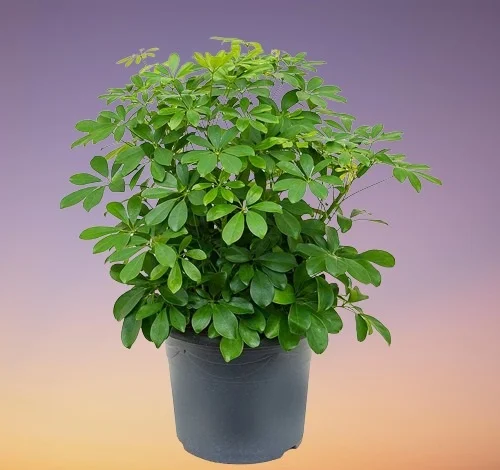
Botanical name: Schefflera arboricola
Common names: Dwarf Umbrella Tree, Hawaiian Schefflera, Dwarf Schefflera
Origin: Taiwan and Hainan
Height: 4-6 ft
Hawaiian Schefflera is one of the fast-growing plants, and will tolerate some level of neglect and easily adapt to a wide range of growing conditions including shaded spots.
It bears about ten leaflets radiating from each leaf-stalk. Under the right conditions, it will produce aerial roots which will convert to fully functional roots when they reach the ground.
Schefflera arboricola grows best in medium to bright light, average warmth and humidity, and moderately moist, fertile, well-drained potting mixes coupled with monthly feeding during the growing season. Learn more on how to grow and care for Dwarf Umbrella Tree.
5. Begonia lucerna
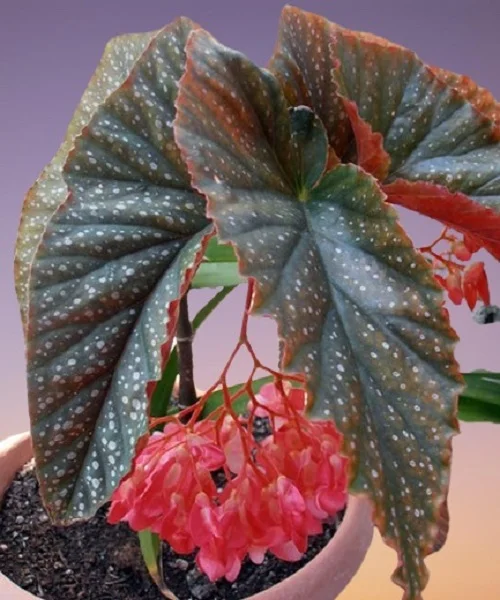
Botanical name: Begonia lucerna
Common names: Begonia lucerna
Origin: hybrid by Wettstein of Lucerne, Switzerland
Height: 10 ft
Begonia lucerna is one of the highly-valued Begonia varieties for its ability to grow in low-light environment while providing extravagant colours.
Begonia lucerna may be less spectacular in bloom than other Begonias but like Begonia coccinea (Angel Wing Begonia) and Begonia maculata (Polka Dot Begonia), it has the advantage of keeping its large, beautiful "Angel Wing" leaves throughout the year.
Begonia lucerna prospers in medium to bright indirect light, warm and humid conditions, and consistently moist, rich, well-drained soil coupled with fortnightly feeding in the growing season. Read more on how to grow and care for Begonia lucerna.
6. Fishtail Palm
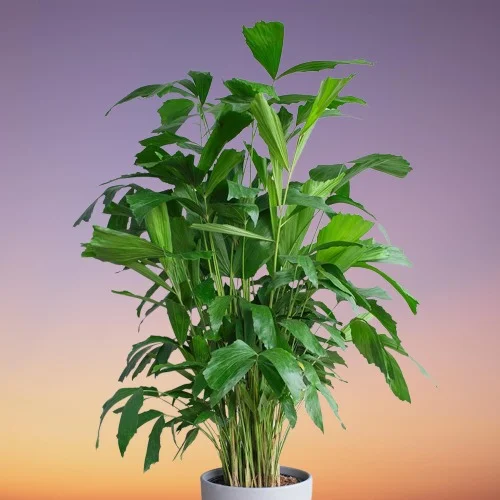
Botanical name: Caryota mitis
Common names: Fishtail Palm, Clustering Fishtail Palm
Origin: Tropical Asia; India to Java to Southern China
Height: 6-8 ft
Fishtail Palm features spectacular, ragged-edged leaflets on arching fronds. It gets its name from the shape of the leaflets which look-like fish tails.
Fishtail Palm produces clustered stems, long fronds and leaflets are about 6 inches long and 4 inches wide. Based on its size, it is among tree-like plants for sprucing up the home.
Caryota mitis grows best in bright indirect light, average warmth and humidity, and moderately moist, rich, well-drained soil coupled with regular feeding during the growing season. Learn more on how to grow and care for Fishtail Palm.
7. Aralia balfouriana
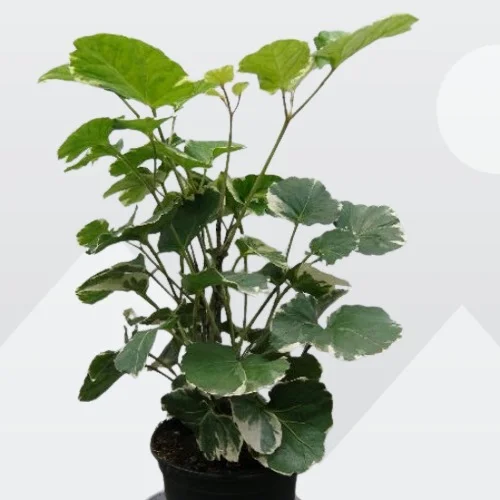
Botanical name: Polyscias balfouriana
Common names: Aralia balfouriana, Dinnerplate Aralia, Balfour Aralia
Origin: New Guinea to Queensland, Australia
Height: 8 ft
Aralia balfouriana bears an abundance of attractive, dark-green leaves and easily adapts to a wide range of light conditions.
It is important to note that Dinnerplate Aralia is toxic to pets as indicated by ASPCA. It contains saponins which if ingested will cause swelling and burning in the mouth and throat, vomiting, diarrhea and abdominal pains.
Polyscias balfouriana like Polyscias fruticosa (Ming Aralia) flourishes in bright indirect light, warm and humid conditions, and moderately moist, fertile, well-drained soils coupled with monthly feeding in the growing season. Learn how to grow and care for Aralia balfouriana.
8. Canary Island Date Palm
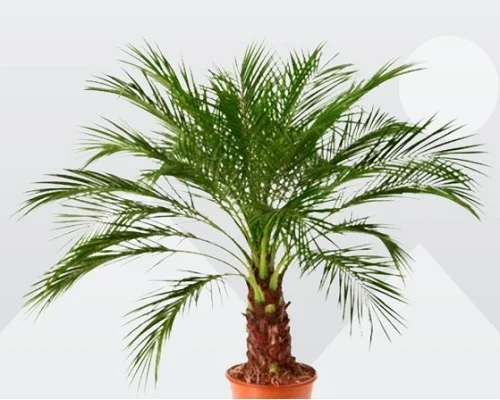
Botanical name: Phoenix canariensis
Common names: Canary Island Date Palm, Pineapple Palm
Origin: Canary Islands
Height: 6 ft
Canary Island Date Palm is a favored indoor palm which features pinnate leaves with numerous leaflets on a stiff and straight rachis.
Pineapple Palm has a high tolerance to wide range of soil and light conditions and has a great ability to adapt to drought conditions, which place it among drought-tolerant plants with low water needs.
Phoenix canariensis grows best in bright indirect light, warm and humid conditions, and moderately moist, well drained soil that is rich in organic matter coupled with monthly feeding during the growing season. Learn how to grow and care for Canary Island Date Palm.
9. Lacy Tree Philodendron
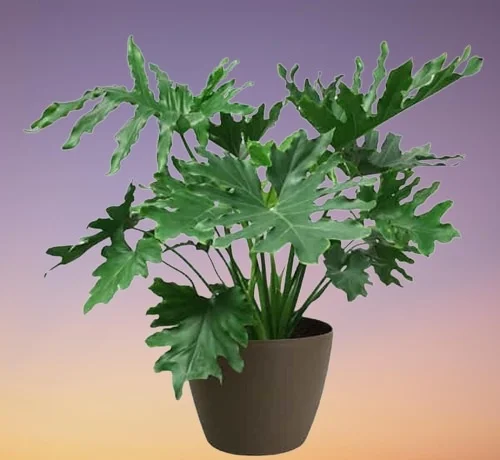
Botanical name: Philodendron selloum
Common name: Lacy Tree Philodendron, Tree Philodendron, Splitleaf Philodendron
Origin: Brazil, Bolivia, Argentina, Paraguay
Height: 5-6 ft
Lacy Tree Philodendron is among the non-climbing Philodendron varieties, featuring simple, large, deeply-lobed, ruffle-edged, drooping, dark-green leaves and is most impressive in a large space for a bold statment.
Tree Philodendron and its relatives Philodendron 'Summer Glory' and Philodendron selloum 'Sun Red' are upright bushes which look spectacular in a pot. Give it a moss pole for support and to encourage growth of the large, beautiful leaves.
Philodendron selloum flourishes in medium to bright indirect light, warm and humid conditions, and moderately moist, fertile, free-draining soils coupled with monthly feeding in the growing season. Learn more on how to grow and care for Lacy Tree Philodendron.
10. Lady Palm
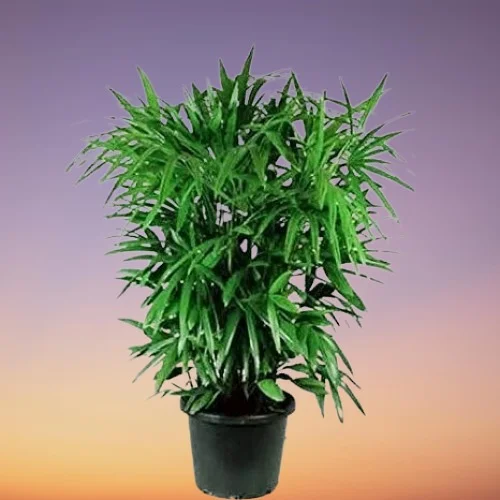
Botanical name: Rhapis excelsa
Common name: Lady Palm
Origin: India and Asia
Height: 6 ft
Rhapis excelsa is a well-liked, pet-friendly plant, bearing multi-stemmed clumps with numerous, glossy, evergreen leaves which are divided into broad, ribbed segments.
Lady Palm belongs to the group of palms called fan palms as they produce fronds which are split into numerous segments radiating from a point at the base (fan-like segments which look-like a lady's fan).
Rhapis excelsa grows best in bright to medium indirect light, warm and humid conditions, and moderately moist, well-drained soil that is rich in organic matter coupled with monthly feeding during the growing season. Read more on how to grow and care for Lady Palm.
11. Leea Burgundy
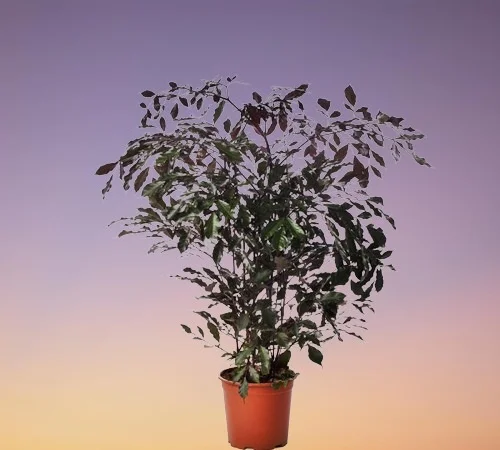
Botanical name: Leea coccinea
Common names: Leea Burgundy, Red Leea, Hawaiian Holly, West Indian Holly 'Rubra'
Origin: Australia, New Guinea, Asia, Africa
Height: 6-8 ft
Leea Burgundy is a rare, statement plant whose foliage in young plants is bronzy red but turns green when mature. It is among purple-leafed plants which will create a great focal point in any space.
Leea flowers are attractive to wasps, bees, butterflies, flies and bettles which act as potential insect pollinators. However, it rarely blooms when grown indoors. It produces red flowers which later turn pink. The fruits are black berries.
Leea coccinea flourishes in medium to bright indirect light, average warmth and humidity, and consistently moist, rich, well-drained potting mix coupled with monthly feeding during the growing season. Learn more on how to grow and care for Leea Burgundy.
12. Corn Palm
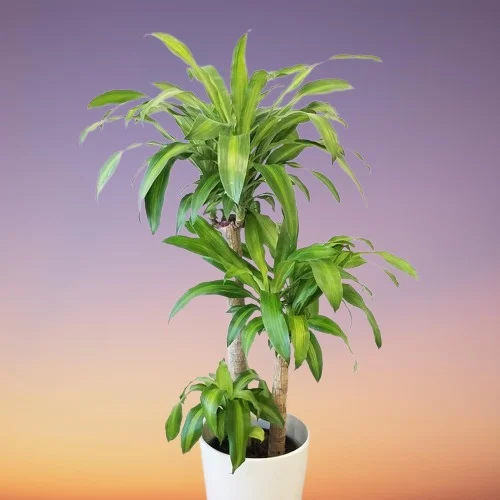
Botanical name: Dracaena fragrans
Common names: Corn Palm, Corn Plant, Striped Dracaena, Compact Dracaena
Origin: Sudan south, Mozambique, C么te d'Ivoire, Angola
Height: 6 ft
Corn Palm is a favored houseplant due to its glossy, large, green leaves with yellow stripes and its ablity to adapt to a wide range of light conditions.
Corn Plant sheds the lower leaves as it grows, leaving a bare stem with a cluster of leaves at the top which makes it look like a palm, hence the common name. On account of its size and attractive foliage, Corn Palm is among large low-light plants for a living room where it will create a great impression.
Dracaena fragrans performs best in bright indirect light, average warmth and humidity, and consistently moist, rich, well-drained soil coupled with monthly feeding in the growing period. Read more on how to grow and care for Corn Palm.
13. Dragon Blood Tree
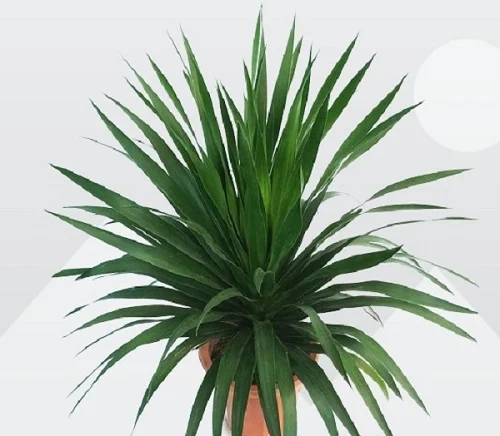
Botanical name: Dracaena draco
Common names: Dragon Blood Tree, Canary Islands Dragon Tree, Dragon Tree, Drago
Origin: Canary Islands, Cape Verde, Madeira and western Morocco
Height: 4 ft
Dragon Blood Tree is a hardy, low-light plant which features a gray trunk topped with tough, sword-shaped, green leaves.
When cut the stems and leaves secrete a reddish resin which is one of the substances known as 'dragon's blood'. Under good lighting, the leaves are red-edged. Naturally, the old foliage arches downwards.
Dracaena draco like Dracaena deremensis, grows best in bright indirect light, average warmth and humidity, and consistently moist, rich, well-drained potting soil coupled with monthly feeding in the growing season. Learn more on how to grow and care for Dragon Blood Tree.
14. Reed Palm
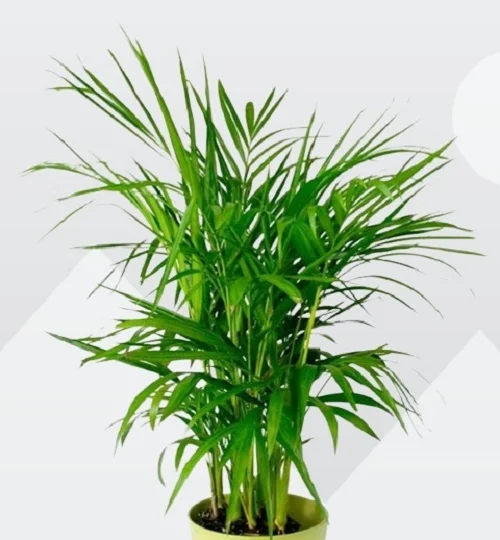
Botanical name: Chamaedorea seifrizii
Common names: Reed Palm, Clustered-parlour-palm, Cane Palm
Origin: Mexico and Central America
Height: 6-10 ft
Reed Palm is one of the favorite indoor palms on account of its high tolerance to shade, and its large size which makes it a great focal plant.
Clustered-parlour-palm belongs to a group of palms called cane palms which produce tall reed-like stems which look like bamboo canes when mature. It produces flowers followed by bright-orange fruits, but are unfortunately poisonous, as they contain oxalic acid.
Chamaedorea seifrizii like Chamaedorea erumpens (Bamboo Palm), thrives in bright indirect light, average warmth and humidity, and moderately moist, rich, well-drained potting soil coupled with monthly feeding during the growing season. Read more on how to grow and care for Reed Palm.
15. Kentia Palm
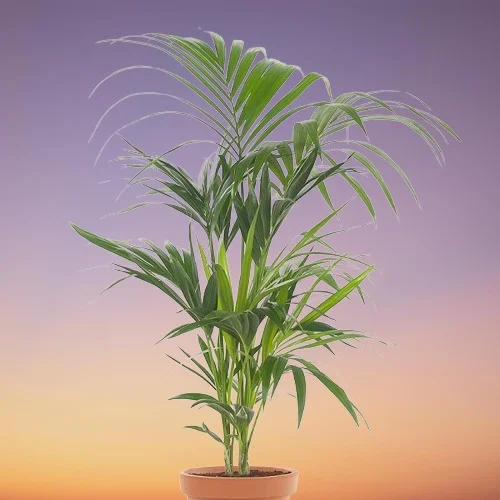
Botanical name: Howea forsteriana
Common names: Kentia Palm, Paradise Palm, Thatch Palm
Origin: Lord Howe Island
Height: 8 ft
Kentia Palm is a low-maintenace, low-light indoor palm and bears feathery fronds which are divided into soft, drooping leaflets on either side of the midrib.
Thatch Palm like its relative Sentry Palm (Howea belmoreana), belongs to a group of palms (called feather palms) whose fronds, are divided on either side of the midrib into leaflets, which may be soft and drooping.
Howea forsteriana flourishes in bright indirect light, warm and humid conditions, and moderately moist, rich, well-drained soil coupled with monthly feeding in the growing period. Learn more on how to grow and care for Kentia Palm.