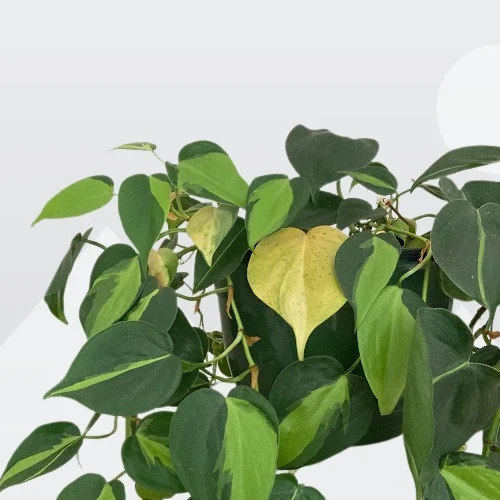
How to Propagate Philodendrons from Cuttings in Water or Soil, Air-layering or Plant Division
Some links in this post may be affiliate links
Philodendrons are among the easiest plants to propagate. With the right technique, you can turn a single healthy mother plant into an entire collection, share cuttings with friends or simply rejuvenate an older, leggy specimen.
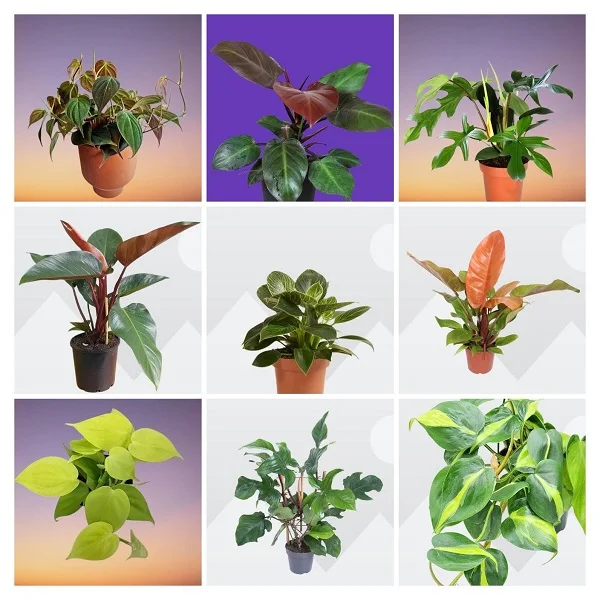
The method of propagation is largely determined by the type of Philodendron you have. The Vining Philodendrons are best propagated from stem cuttings which can be rooted either in water or in soil. The Self-heading Philodendrons are easily propagated by plant division (offset) or by air-layering. Some Self-heading types do produce short stems that can be cut below a node and rooted in moist sphagnum moss or perlite.
The best time to propagate Philodendrons is during the growing season in spring or early summer, when the plant is in active growth for faster establishment of the new plants. We have herebelow outlined 4 methods that works best for the most popular Philodendron Varieties. By the end, you will know exactly how to propagate your Philodendron Plant and how to increase your chances of successful propagation.
What are the 4 main Philodendron propagation methods?
1. Water propagation: This is the most popular method for beginners and experienced growers alike. It is visual, simple, and deeply satisfying; you watch the roots develop in real time.
2. Soil propagation: Planting cuttings directly into a growing medium simulates natural conditions and often produces stronger, more robust root systems from the outset. Soil-rooted plants also skip the transition stress that water-propagated cuttings sometimes experience.
3. Plant division: This is a simple and effective method of increasing your plant collection. It involves dividing the mother plant into sections and potting them in individual pots. The method is ideal for plants that are difficult to propagate by cuttings. It is useful for maintaining genetic make up of variegated types.
4. Air-layering: Air layering is the method of choice for large, mature Philodendrons especially when you want to propagate a plant without sacrificing significant growth or when working with varieties that do not easily root from cuttings alone.
1. Philodendron propagation in water
Best for: Heartleaf Philodendron, Philodendron Brasil, Philodendron micans, Blushing Philodendron, Silver Sword Philodendron, Spadeleaf Philodendron, Philodendron Brandtianum, Philodendron billietiae among other vining varieties.
Pros: Easy to monitor root development (you can watch the roots develop in real time), low risk of soil-borne diseases, ideal for beginners.
Cons: Water roots are different from soil roots, which means there can be an adjustment period after potting.
What you need
- A healthy Philodendron Plant with a strong stem
- Sharp, sterilized pruning shears or scissors
- A clean jar of water or a propagation station
- Small pots with a drainage hole
- Well-draining soil
How to propagate Philodendron in water
- Take a stem cutting of 4-5 inches long from a healthy plant by cutting the stem below a leaf node with sterilized scissors.
- Strip off the lower leaves to expose the stem and leaf nodes.
- Submerge 2-3 inches of stem in a jar of clean water or in a propagation station while ensuring at least one leaf node is below the water surface.
- Place the set up in a well-lit place away from direct sunlight.
- Change the water every 5-7 days until roots have developed. Roots will emerge in 2–6 weeks.
- Transfer the new plant into individual pots in moist, well-draining Aroids potting soil when the roots are about 2-3 inches long.
- Position the pots in bright indirect light to prevent scorching.
- Maintain the soil moist until new growth emerges on the new plant.
- Allow the new plant to be well established before placing the pots in their permanent position after which you can begin routine.
2. Philodendron propagation in soil
Best for: Philodendron gloriosum, Philodendron squamiferum, Philodendron melanochrysum, Philodendron mamei and most crawling or non-vining varieties.
Pros: It produces stronger, more established root systems, meaning no transplant shock as it mirrors natural growth conditions.
Cons: Root development is not visible, slightly higher risk of rot if the medium stays too wet.
What you need
- A healthy plant with a strong stem
- Sharp, sterilized pruning shears or scissors
- Small pots with a drainage hole
- Well-draining soil
- Rooting hormone
- A plastic bag or humidity dome
How to propagate Philodendron in soil
- Take a stem cutting of about 4-5 inches long from a healthy plant by cutting the stem below a leaf node.
- Strip off the lower leaves to expose the leaf nodes as this is where roots will form.
- Dust the lower cutend with a rooting hormone to speed up root development.
- Prepare a small pot with a lightweight, well-draining propagation mix; a blend of perlite, coco coir, and a small amount of potting mix is ideal. Lightly moisten the mix.
- Insert 2-3 inches of the stem into moist mix while ensuring that at least one leaf node is below the soil.
- Cover with a clear plastic bag or humidity dome to retain moisture, lifting it briefly each day to allow airflow.
- Position the set up in a warm, well-lit place away from direct sunlight to avoid cooking the cuttings.
- Keep the soil moist until new growth emerges. Check for roots after 3-5 weeks by gently tugging the stem, resistance means roots have formed.
- Allow the new plant to be well established before transplanting it into a pot one size larger after which you can begin routine care.
3. Philodendron propagation by plant division
Best for: Philodendron birkin, Philodendron gloriosum, Philodendron squamiferum, Philodendron melanochrysum, Philodendron mamei, mature plants with multiple stems and clumping varieties.
Pros: Faster establishment, easy and beginner-friendly.
Cons: It is only good for healthy, mature, multi-stemmed plants. Avoid stressed or pest-infested plants.
What you need
- A healthy, mature plant
- Sharp, sterilized pruning shears or scissors
- Small pots with a drainage hole
- Well-draining soil
How to propagate Philodendron by plant division
- Water the plant thoroughly at least 1 day before to make it easier to divide and also hasten establishment.
- Slip the plant out of its pot and divide it into several sections. Ensure each section has adequate roots to hasten establishment.
- Pot these sections in individual pots in moist, free-draining potting mix.
- Place the set up in a warm, well-lit place away from direct sunlight.
- Maintain the soil moist until new growth emerges on the sections, an indication of rooting, takes 2-3 weeks.
- Allow the new plant to be well established before transplanting into a pot one size larger after which you can begin routine care.
4. Philodendron propagation by air-layering
Best for: Philodendron selloum, Philodendron gloriosum, Philodendron xanadu and any mature plant that has become leggy.
Pros: Least disruptive method for the mother plant. It produces large, well-rooted plants quickly and is ideal for rare specimens where you cannot afford to lose cuttings.
Cons: More time-consuming and hands-on than other methods, it requires sphagnum moss and patience.
What you need
- A healthy, mature Plant
- Sharp, sterilized knife
- Damp sphagnum moss
- Polythene film or clear plastic wrap
- Small pots with a drainage hole
- Well-draining soil
- Rooting hormone
How to propagate Philodendron by air-layering
- Select a healthy stem section with a visible node and aerial root (if present).
- Make a small upward-angled cut about one-third way through the stem, just below the node. Alternatively, remove a 2–3 cm ring of bark (this is called girdling).
- Coat the wound with rooting hormone to encourage rooting.
- Pack a generous handful of moist sphagnum moss around the cut, fully covering it.
- Wrap the moss ball tightly with clear plastic wrap, sealing both ends with tape or twist ties.
- Leave it in place for four to 8 weeks. Roots will gradually grow into the sphagnum moss, you will see them through the clear plastic.
- Once roots are well-developed, cut the stem below the root ball. New shoots will sprout from the shortened stem of the old plant into a bushy plant.
- Remove the polythene or plastic wrap and carefully pot the rooted cutting in moist, well-draining potting mix.
- Make sure that the pot has a drainage hole to prevent the soil from getting soggy as it can lead to rotting.
- Position the new plant in a warm, brightly-lit place away from direct sunlight to avoid scorching.
- Keep the soil moist through out but avoid soggy soil.
- Once the new plant is well established, begin routine care.
Tips for Successful Philodendron Propagation
Use clean tools: Dirty scissors can introduce bacteria and fungi that kill cuttings before they ever root. Wipe blades with isopropyl alcohol before and after use.
Warmth accelerates rooting: Philodendrons are tropical plants. Keep propagating cuttings in temperatures between 20–270C. A heat mat designed for seedlings can greatly speed up root development in cooler climates.
Provide bright indirect light: Do not place cuttings in direct sun (which causes wilting and leaf scorch) or deep shade (which slows rooting drastically). A spot near a north- or east-facing window is ideal.
Maintain high humidity: Keep humidity at 60–80% to reduce water loss through the leaves and help cuttings stay turgid while they are developing roots. Use a humidity dome, clear plastic bag or a humidifier.
Be patient: Slower-growing varieties like Philodendron gloriosum and Philodendron melanochrysum may take six to ten weeks to show significant root development. Resist the urge to check too frequently, as disturbing the cutting stresses it unnecessarily.
Best Propagation Method by Philodendron Variety
| Variety | Best Method | Notes |
|---|---|---|
| 1. Heartleaf Philodendron | Water or soil | Easy to propagate; roots rapidly in water |
| 2. Philodendron Brasil | Water or soil | Vigorous grower; roots in water in as little as 2 weeks |
| 3. Philodendron Birkin | Soil | Slower to root. Prefers a warm, humid soil environment |
| 4. Pink Princess Philodendron | Soil | Preserve variegation by selecting stems with pink sections |
| 5. Philodendron Micans | Water or soil | Very forgiving, excellent for beginners |
| 6. Philodendron gloriosum | Soil, air-layering | Crawling rhizome; must include a section of rhizome in cutting |
| 7. Philodendron squamiferum | Soil | Stem cuttings root well in a perlite-heavy mix |
| 8. Philodendron melanochrysum | Soil | Prefers high humidity; use a humidity dome |
| 9. Silver Sword Philodendron | Water or soil | Fast-rooting viner; water propagation works very well |
| 10. Philodendron selloum | Division, air-layering | Best propagated by separating offshoots or air layering large stems |
| 11. Philodendron xanadu | Division | Clumping growth habit; divide at the root base rather than taking stem cuttings |
| 12. Philodendron billietiae | Soil | Include a node and partial petiole for best results |
| 13. Blushing Philodendron | Water or soil | Stem cuttings root readily; water method is ideal |
| 14. Philodendron White Knight / White Princess | Soil | Slow-growing; keep cuttings warm for best results |
Frequently Asked Questions (FAQs)
1. Can you propagate a Philodendron from just a leaf?
No, a leaf alone without a node cannot produce a new plant. It may stay green for weeks in water, but it will never root or grow. Always ensure your cutting has at least one node from which growth will sprout.
2. Can I propagate a Philodendron without a node?
No. The node contains the meristematic tissue necessary for new growth and root development. A nodeless cutting will not root, regardless of the method used.
3. How long does it take for Philodendron cuttings to root?
Most Vining Philodendrons root in 2-4 weeks in water or warm soil. Slower-growing varieties can take 6-10 weeks. Warmth, humidity and bright indirect light help speed up the process.
4. Should I use rooting hormone for Philodendrons?
It is not strictly necessary, since Philodendrons root readily on their own. However, using a rooting hormone can speed up root development, especially for slower-growing or rare varieties.
5. Can I divide a Philodendron instead of taking cuttings?
Yes, for clumping varieties like Philodendron xanadu and Tree Philodendrons, division is often the easiest and most effective propagation method.
6. What is the best soil mix for rooting Philodendron cuttings?
A light, airy mix with excellent drainage works best. A combination of 40% perlite, 40% coco coir and 20% standard potting mix is perfect.
7. Why are my Philodendron cuttings rotting in water?
Rot in water is caused by bacteria. To prevent it; change the water every 5-7 days, keep the container clean, ensure no leaves are submerged and avoid placing the jar in direct sunlight.
8. Why is my Philodendron cutting not rooting?
The most common reasons are: no node on the cutting, too cold water, insufficient light or rot caused by bacterial contamination.
9. How do I make my Philodendron cuttings root faster?
Use a heat mat to maintain consistent warmth, increase humidity, provide bright indirect light and optionally use a rooting hormone. Changing the water frequently also keeps conditions optimal.
10. How do you propagate a large Philodendron?
For large, mature Philodendrons, especially Tree Philodendrons and other upright varieties, air-layering is the most effective method. Alternatively, look for offshoots or 'pups' at the base of the plant and separate these for propagation.
11. Is it better to propagate Philodendron in water or soil?
Both are effective. Water is better for beginners and fast-rooting vining types; soil produces stronger roots and is better for slow-growing or crawling varieties. Many growers start in water and transfer to soil once roots reach 2–3 cm.