15 Reasons Why Philodendron Leaves are Turning Yellow and How to Fix It
Some links in this post may be affiliate links
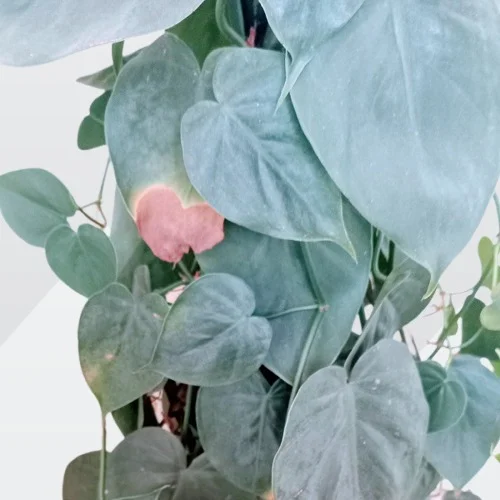
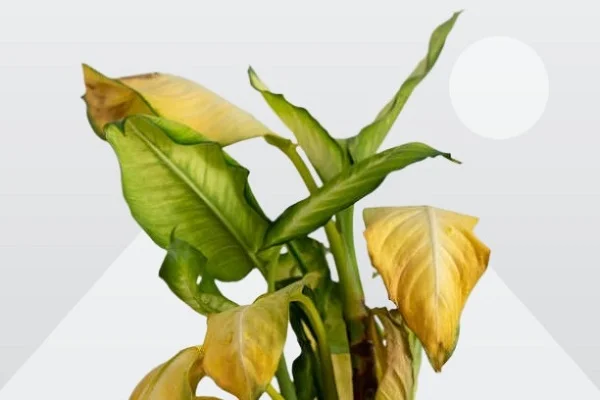
Plant parents get alarmed on spotting a bright yellow leaf on a plant that was deep, glossy green just a few days before. Yellow leaves on a Philodendron are your plant's most direct way of communicating that something in its environment or care routine is out of balance.
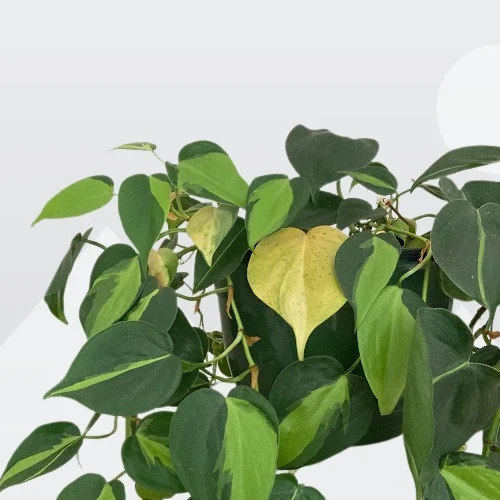
Many different issues like overwatering, underwatering, insufficient light, nutrient deficiency, low humidity, temperature stress, pests infestations, root-rot and others, can all produce yellow leaves, making diagnosis feel tricky at first glance.
We have identified 15 causes of Philodendron yellow leaves, how to recognize which one is affecting your plant and exactly what to do to fix it and prevent it from reoccuring. You will learn how to read your Philodendron's signals confidently and respond with the right corrective action every time.
15 Causes of Philodendron Leaves Turning Yellow & Remedies
1. Overwatering
Overwatering is the single most common reason Philodendron leaves turn yellow. Philodendrons originate from tropical rainforest environments where they grow in well-draining, aerated soil. Too much moisture is the soil will suffocate the roots, causing them to rot, resulting in yellow leaves and drooping foliage.
Signs of overwatering
- Leaves turn uniformly yellow, often feeling soft or slightly mushy rather than crisp.
- Yellowing appears on both old and new leaves, not just the bottom leaves.
- The soil feels wet or damp well beyond 2 inches deep.
- A musty or sour odor arises from the soil.
- Moss or algae may appear on the surface of the soil.
How to Fix It
- Stop watering immediately. Allow the soil to dry out significantly before you can resume watering.
- Check that the pot that has drainage holes to prevent the soil from holding excess water.
- Water only when the top few inches of soil feel dry to the touch.
- Use a loose, well-draining potting mixes that drain easily to prevent waterlogging.
- In winter, significantly reduce watering frequency since the plant uses less water as growth slowed.
2. Underwatering
Underwatering will cause Philodendron yellow leaves in warmer months, in small pots that dry out quickly or in very warm, dry indoor environments. It causes dehydration meaning the plant cannot move nutrients through its tissues efficiently. This causes the plant to sacrifice older leaves first, allowing them to yellow and drop so it can concentrate the remaining moisture on younger, actively growing tissue.
Signs of underwatering
- Yellowing typically starts on older leaves at the base or bottom of the plant.
- Leaves may curl inward, feel dry or papery, or develop brown, crispy tips and edges.
- The soil feels bone dry throughout, even upto 3-4 inches deep.
- The pot feels very light when lifted.
How to Fix It
- Check the soil moisture level regularly. If it feels dry, water the plant thoroughly until water flows freely through the drainage hole.
- While you decrease watering in the cold season, take care not to leave the soil to dry out completely for a prolonged period of time.
3. Root-rot
Excess water in the soil for too long leads to root-rot disease. This is a fungal infection by Pythium or Phytophthora fungi that proliferate in waterlogged soil and cause the roots to turn brown-black and mushy, losing all function. It results in yellowing of leaves and leaf drop.
Signs of root-rot
- Advanced yellowing affecting many leaves simultaneously, often paired with drooping and stem softness.
- A foul, rotten smell from the soil.
- The soil feels bone dry throughout, even upto 3-4 inches deep.
- Brown or black, soft roots which break apart easily when touched; healthy roots are firm and white or light tan.
- The base of the stems may become mushy at soil level.
How to Fix It
- Remove the plant from its pot and wash off as much of the old soil as possible from the roots.
- Using clean, sterile scissors or pruning shears, trim rotten roots; cut back into healthy white tissue.
- Treat the healthy roots with a copper-based fungicidal solution as indicated by the manufacturer.
- Allow the root ball to air-dry for 30-60 minutes.
- Repot the plant in fresh pot that has drainage holes in fresh, well-draining aroid mix.
- Position the plant in a warm place under bright indirect light.
- Withhold watering for 3-5 days to allow the plant time to recover.
4. Insufficient light
Philodendrons are adaptable plants that tolerate lower light better than many tropical houseplants. However, in very low light, the plant cannot photosynthesize effectively and begins to produce less chlorophyll, causing leaves to fade to a pale yellow-green or vivid yellow. This is common in winter when natural light levels drop, or when plants are placed in interior rooms far from windows.
Signs of light deficiency
- Leaves become pale or washed-out, developing a general yellow-green rather than rich, deep green tone.
- New growth emerges smaller than normal and on longer, thinner stems (etiolation).
- Variegated varieties (like Brasil or Lemon Lime) may revert to more solid green as variegation is suppressed.
How to Fix It
- Position the plant in a spot where it will bright indirect light, ideally within 2-4 feet of an east or north-facing window, or further back from a south or west-facing window.
- If the natural light is insufficient, you may use a grow light to supplement it.
- Rotate the plant periodically to ensure even light exposure on all sides.
5. Too much direct sunlight
Direct, intense sunlight especially from a south or west-facing window in summer can cause yellow or bleached patches (sunscorch) on Philodendron leaves. This results in yellow, white, or pale tan patches that appear to 'wash out' the leaf color rather than producing a uniform all-over yellowing.
Signs of sunscorch
- Yellow or pale patches appear on the side of the leaf facing the light source, not uniformly across the whole leaf.
- Affected patches may have irregular edges and may eventually turn brown and papery.
- The damage is most visible on upper leaf surfaces.
How to Fix It
- Move the plant to an area with filtered or indirect sunlight.
- Use sheer curtains to diffuse harsh sunlight.
- Avoid placing plants too close to a brightly-lit window.
- Remove the damaged leaves as they will not recover; new growth in the corrected location will emerge healthy
6. Nitrogen deficiency
Nitrogen is the primary macronutrient responsible for leaf growth, chlorophyll production and overall plant vigor. When a Philodendron goes without fertilizer for an extended period or grows in soil that has become exhausted of nutrients, nitrogen deficiency is often the result.
Signs of Nitrogen deficiency
- Yellowing begins on the oldest, lowest leaves and gradually progresses up the plant.
- The yellowing is relatively uniform across entire leaves, not spotted or interveinal.
- New growth at the top of the plant may still appear healthy initially.
- The plant's overall growth rate slows noticeably.
How to Fix It
- Apply a balanced liquid fertilizer like a 20-20-20 NPK formula, diluted to half strength during the growing season (spring and summer).
- Feed once every 4-6 weeks during active growth; reduce to every 8–10 weeks in fall and winter.
- If the plant has been in the same pot and soil for more than 2-3 years, consider repotting into fresh nutrient-rich aroid mix to replenish depleted nutrients.
7. Magnesium deficiency
Magnesium deficiency produces one of the most distinctive and recognizable yellowing patterns in Philodendrons: interveinal chlorosis, where the leaf tissue between the veins turns yellow while the veins remain green. This is most common in plants watered with hard tap water over time (which can displace magnesium in the soil) or in alkaline soil conditions.
Signs of Magnesium deficiency
- Yellow tissue between clearly visible green veins, especially on older leaves.
- In some cases, V-shaped yellow patches appear on the leaf surface.
- It affects older leaves first, as the plant moves magnesium from older to younger tissue when supplies are limited.
How to Fix It
- Apply a diluted Epsom salt solution: dissolve 1 teaspoon of Epsom salts (Magnesium sulfate) in 1 gallon of water and apply to the soil monthly during the growing season.
- Alternatively, switch to a fertilizer that contains magnesium.
- Consider using filtered or rainwater for watering if hard tap water is your usual source.
8. Iron deficiency
Iron deficiency also produces interveinal chlorosis, but with one important distinction from Magnesium deficiency; iron deficiency primarily affects the newest, youngest leaves rather than the older ones, because iron is not as mobile within the plant and cannot be relocated from old to new tissue.
Signs of Iron deficiency
- New growth emerges pale yellow or lime-colored rather than rich green.
- Veins remain green but leaf tissue between them is yellow or pale.
- Older leaves may still look healthy.
- It often occurs in alkaline soil conditions or when the pH is too high for the plant to absorb available iron.
How to Fix It
- Apply a chelated iron fertilizer or a fertilizer with micronutrients that includes iron.
- Check soil pH; Philodendrons prefer a slightly acidic pH of 5.5–6.5; if your soil or water is alkaline, this may be locking out iron absorption.
- Repotting into fresh, slightly acidic aroid mix can help restore access to iron.
9. Salts buildup & overfertilizing
Over-fertilizing causes a buildup of salts in the soil that draws moisture out of roots through osmosis which causes chemical root burn even when the plant is watered regularly. This is referred to as 'fertilizer burn' and results in yellowing leaves alongside brown, crispy leaf tips and edges.
Signs of salts buildup & overfertilizing
- Yellow leaves accompanied by crispy brown tips or edges.
- A white or crusty mineral deposit visible on the soil surface or around drainage holes.
- Yellowing may appear on leaves of various ages rather than following the older-to-newer pattern of nitrogen deficiency.
How to Fix It
- Stop fertilizing immediately.
- Flush the soil thoroughly by running a large amount of water slowly through the soil until it drains freely from the bottom, this helps dissolve and remove excess salt deposits.
- Allow the plant to recover for 4-6 weeks before resuming fertilizing at half the recommended dose.
- Never fertilize when soil is dry, always water the plant first.
10. Temperature stress
Philodendrons prefer warm temperatures of 18–290C. Exposure to temperatures below 130C) through cold drafts from windows, AC vents or outdoor exposure, causes cellular damage in the leaves, which manifests as yellowing, drooping and in severe cases, dark or translucent patches. The problem worsens in winter.
Signs of temperature stress
- Yellowing is sudden and affects the leaves closest to a cold window, door or vent.
- Affected leaves may also appear wilted, dark or translucent at the chilled areas.
How to Fix It
- Move the plant away from cold windows, exterior doors or AC vents.
- Ensure nighttime temperatures near the plant do not drop below 150C.
- Avoid placing plants on cold windowsills in winter, even if they receive good light in summer.
11. Low humidity
Philodendrons are tropical plants that naturally thrive in humid conditions. Most household environments especially in winter when central heating is running, drop to 30-40% humidity, well below the 50–70% that most Philodendrons prefer. Low humidity causes water to evaporate from the leaf surface faster than the plant can replace it through its roots.
Signs of low humidity
- Yellowing appears at the tips and edges of leaves first, often accompanied by browning and crispiness.
- Leaves may curl slightly at the edges.
- The problem is typically worse in winter or in rooms with air conditioning or forced-air heating.
How to Fix It
- To raise humidity, group the plants together, set the pot on a wet pebble tray or use a cool mist humidifier.
12. Pests infestations
Sap-sucking insects feed on the fluids within Philodendron leaves and stems, weakening the plant and causing yellow, stippled or mottled discoloration as they drain the plant of nutrients and moisture. A stressed, weakened, or improperly cared-for Philodendron is significantly more susceptible to pest infestation but even healthy plants can be attacked if a nearby plant is infested.
Common pests and their signs
Spider Mites: Fine webbing on leaves and stems; yellow stippling (tiny dots) on leaf surfaces. They are prevalent in dry conditions on the undersides of leaves.
Mealybugs: White cottony masses in leaf axils, along stems, and under leaves. They are found in warm, sheltered spots near growing points.
Scale Insects: Brown or tan bumps on stems and the undersides of leaves; sticky honeydew residue.
Fungus Gnats: Tiny flies around the soil; larvae damage roots in the growing medium. They are common in overly moist soil.
Aphids: Soft green, black, or brown insects clustered on new growth; sticky residue. They attack the new, soft growth at stem tips.
How to Fix It
- Immediately isolate the affected plant away from other houseplants.
- Inspect the entire plant carefully, both upper and lower leaf surfaces, stems, leaf axils, and soil surface.
- Remove visible pests manually with a damp cloth or cotton swab dipped in rubbing alcohol.
- Treat the entire plant including soil surface with Insecticidal soap or Neem oil as per the manufacturers instructions. Make sure to cover the entire plant.
- Repeat treatment every 7-10 days for 3-4 weeks to break the pest life cycle.
- After treatment, raise humidity (which deters spider mites) and review overall care conditions to reduce plant stress.
13. Being extremely pot-bound
Majority of indoor plants grow best when slightly pot-bound but when they become extremely pot-bound the leaves begins to wilt, droop, yellow and eventually die. This is because the the roots have filled the pot and there is very little soil to hold water when the plant is watered.
Signs of a pot-bound plant
- Yellowing and drooping leaves, limp stems and wilting of the plant even after being watered.
- Quickly drying soil; you water more frequently than before.
- Water runs through the drainage hole without wetting the soil.
- New leaves stop growing or appear smaller than normal leaf size.
- A lot of roots growing through the drainage hole.
- Hard rootball which often pulls away from the sides of the pot.
How to Fix It
- Repot the plant into a pot one size larger than the current one in well-draining soil.
- Divide the plant into several sections (if possible) and pot the sections in individual pots.
14. Repotting shock
Yellowing leaves after repotting are usually caused by transplanting shock, overwatering in the new soil or damaged roots. After repotting, your Philodendron is struggling to take up water and nutrients because its root system has been disturbed.
How to Fix It
- To minimize repotting shock, water the plant thoroughly one day before repotting as a well hydrated plant experiences less shock and is easier to divide.
- Avoid making too many changes at once. For instance, after repotting, maintain the plant in the same spot until it is well established before moving it to a new location.
- Allow your Philodendron at least 2-4 weeks to recover from the transplanting shock.
15. Aging
As the leaves mature, the older leaves turn yellow and die. Therefore, do not be alarmed, if one or two leaves yellow as this is a natural process.
How to Fix It
- Regularly inspect your plant and get rid of any yellow leaves to keep the plant neat and tidy.
Step-by-Step Diagnosis Checklist
Use this checklist in order when your Philodendron develops yellow leaves. Once you identify the cause, apply the relevant fix, then monitor weekly for improvement.
1. Check the soil: Insert a finger or moisture probe 2-3 inches into the soil and feel the soil between your fingers. If dry, water the plant. If wet or damp, wait a few days before you water again.
2. Look at the roots: If the soil is wet and has been so for days, gently slip the plant out of the pot and inspect the roots. White and firm indicate healthy roots. Brown, black, or mushy indicate root rot.
3. Examine the yellowing pattern: Uniform yellow indicate watering or light issue. Interveinal (yellow between green veins) show nutrient deficiency. Yellow spots or stippling mean pests or disease. Yellow tips and edges indicate humidity or watering issue.
4. Inspect for pests: Check leaf undersides, stems, leaf axils, and the soil surface carefully with a magnifying glass if needed.
5. Assess light conditions: Is the plant receiving bright indirect light? Has it been moved recently or been exposed to direct sun?
6. Review the feeding history: When was the plant last fertilized? Has it been longer than 2–3 months in the growing season? Or has it recently been heavily fertilized?
7. Check temperature and humidity: Is the plant near a vent, door, cold window or air conditioning unit? Is the room particularly dry?
Frequently Asked Questions (FAQs)
1. How quickly should Philodendron yellow leaves improve after I fix the underlying cause?
The existing Philodendron yellow leaves will not recover and turn green again, they should be removed. New healthy growth, however, should begin to emerge within 2-4 weeks once the cause is corrected. Improvement in overall plant health is usually visible within 4-6 weeks of making the right change.
2. Can Philodendron yellow leaves turn green again?
No, once a Philodendron leaf has turned yellow, the chlorophyll that gave it its green color has been broken down and cannot be restored in that specific leaf. However, fixing the underlying issue will prevent more leaves from turning yellow.
3. Should I cut off Philodendron yellow leaves?
Yes, removing yellow Philodendron leaves improves the plant's appearance, prevents the yellowing from potentially spreading if the cause is a fungal disease and redirects the plant's energy toward healthy growth.
4. Why does my Philodendron have both yellow and brown leaves?
A combination of yellow and brown on the same plant often points to multiple stressors occurring simultaneously e.g overwatering (causing yellow, soft leaves) combined with low humidity (causing brown tips on other leaves).
5. Is it safe to use tap water on Philodendrons?
Yes, most Philodendrons tolerate tap water well. However, very hard water can gradually cause a buildup of calcium and other minerals in the soil that may affect nutrient uptake and soil pH over time.
6. Can I save a Philodendron that has lost most of its leaves to yellowing?
Yes, even a severely defoliated Philodendron can recover if the underlying cause is corrected and the plant is given time. Recovery from severe stress can take several months, but Philodendrons are remarkably resilient plants.