Chlorophytum comosum Propagation: How to Propagate Spider Plants in 3 Easy Ways
Some links in this post may be affiliate links
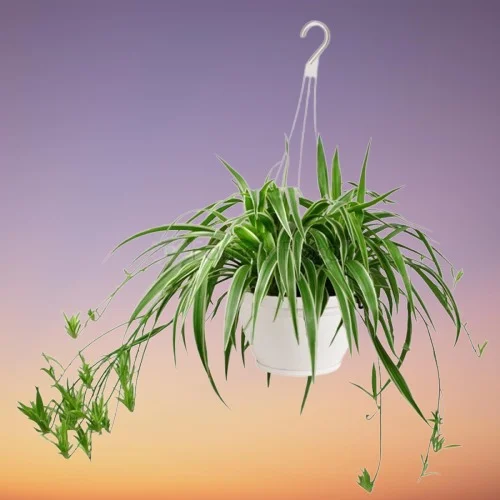
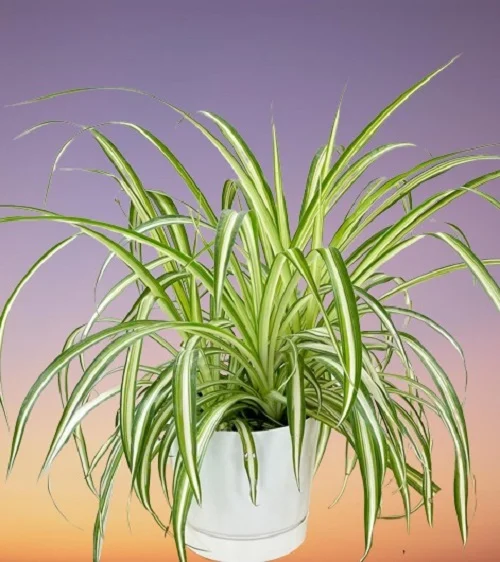
Chlorophytum comosum also called Spider Plant, Airplane Plant, Spider Ivy or Ribbon Plant are popular air-purifying plants and are loved for their stunning long, arching leaves with green and white stripes, and ability to produce 'spiderettes' which dangle gracefully from the long stems on mature plants.
These 'spiderettes' also called 'plantlets' or 'baby plants' are used to propagate new plants as they root easily. For faster establishment, select the young and small plantlets as they root faster than the large and older ones.
Spider Plants are best propagated from the plantlets or from splits by plant division. The plantlets can be rooted either in water or in soil. The best time to propagate Spider Plant is in spring to early summer when in the active growth phase. Avoid propagating in fall and winter as establishment may be difficult. We have outlined below 3 methods by which you can multiply Chlorophytum comosum.

1. Propagating Spider Plants from plantlets in water
- Identify a healthy plantlet with some roots and carefully detach it from the mother plant.
- Submerge the bottom part with the roots in a jar of plain water while ensuring that the leaves are above the water surface.
- Place the set up in a warm, well-lit spot away from direct sunlight and change the water every 5-7 days.
- When a good amount of roots have formed on the plantlet in about 1-2 weeks, the plant is ready for planting in soil.
- Fill a small pot one thirdway with well-draining soil. Use a pot with a drainage hole to prevent rotting.
- Position the rooted plantlet in the center of the pot and continue to cover the roots with the soil while firming the soil around the roots.
- Wet the soil thoroughly and place the set up in a warm (21-240C), well-lit place away from direct sunlight to prevent scorching.
- Maintain the soil moist until the plantlet is well established.
- Once well-setablished, transfer the new plants into a pot one size larger and begin routine care.
2. Propagating Spider Plants from plantlets in soil
- Identify a healthy plantlet with some roots and and peg it down into soil while still attached to the mother plant.
- Once rooted, the plantlet is ready to planted in its own pot. Carefully, detach the rooted plantlet from its mother.
- Select a small pot and ensure that it has adequate drainage to prevent waterlogging which can lead to rotting.
- Fill the pot one thirdway with well-draining soil and lightly moisten it
- Position the rooted plantlet in the center of the pot and continue to bury the roots while lightly firming the soil around the roots.
- Place the set up in a warm, brightly-lit place away from direct sunlight.
- Maintain the soil moist until the new plant is well-established.
- When you observe substancial growth, transplant the new plant into a pot one size larger after which you can begin routine care.
3. Propagating Spider Plants from splits by plant division
- Water the plant thoroughly at least 1 day before to make it easier to divide and also hasten establishment; a well hydrated plant suffers less shock and takes a shorter time to take root.
- Remove the plant from its pot, shake off excess soil to expose the roots and carefully divide the plant into several sections. Make sure that each section has adequate roots to hasten establishment.
- Select a 6 or 8 inches pot and ensure it has a drainage hole to prevent the soil from getting soggy to avoid rotting.
- Fill the pot with well-draining soil and make a hole in the center of the pot. Ensure that the hole is slightly wider than the root base of the section.
- Place the section in the previously made hole and lightly firm the soil around the base while taking care not to bury it too deep; maintain the section at the same soil level it was in the previous pot.
- Wet the soil thoroughly and place the set up in a warm, well-lit place.
- Once the new plant is well established, begin routine care.
Caring for Newly Propagated Spider Plants
Once you have propagated Spider Plants, proper care is essential for their optimal growth growth.
- Keep the soil slightly moist but never soggy or excessively dry.
- Place the new plants in bright indirect light.
- Avoid direct sunlight to prevent scorching of the leaves.
- Maintain a humidity of 50-60% for faster growth.
- Give it a warmth of 16-250C.
- Do not fertilize until after 6–8 weeks.
How to care for Spider Plants indoors
Chlorophytum comosum are easy-care and thrive in bright indirect light, warmth of 16-240C, humidity of 50-55% and consistently moist, fertile, well-drained soil coupled with monthly feeding during the growing season. Learn how to grow and care for Spider Plants indoors.
You liked it? Share on social media.
Related Content



Amazon Associates Disclosure
Homeplantsguide.com is a participant in the Amazon Services LLC Associates Program, an affiliate advertising program designed to provide a means for sites to earn advertising fees by advertising and linking to amazon.com.