Anthurium forgetii Care Indoors; Watering, Light, Soil, Propagation, Problems & Fixes
Some links in this post may be affiliate links
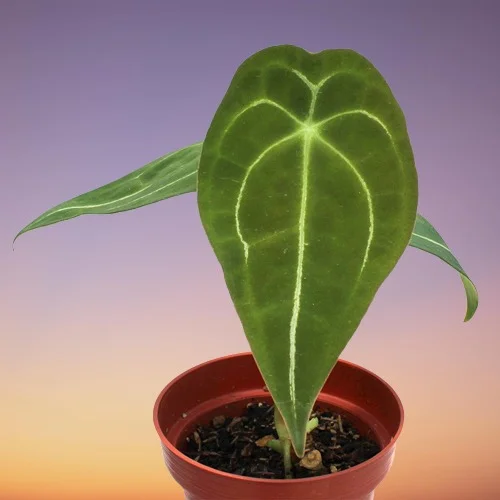
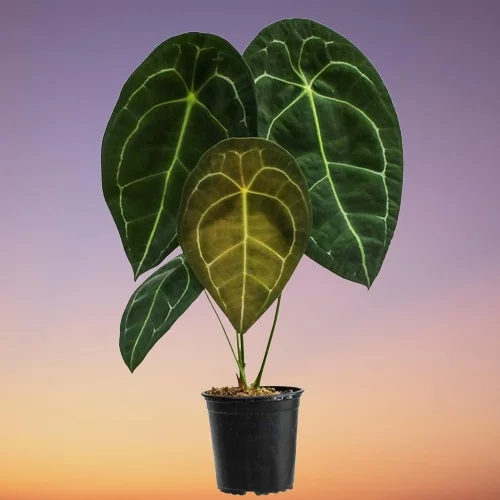
Anthurium forgetii is one of the popular Anthurium varieties on account of its large, dark-green, round leaves with silver veining but lacking a sinus (upper lobes) which enables them to flexibly hang on their stems like teardrops.
The spectacular foliage in Anthurium forgetii as well as that in Anthurium luxurians and Anthurium radicans makes these plants some of the best plants for the home where they will create a sight to behold in any space.
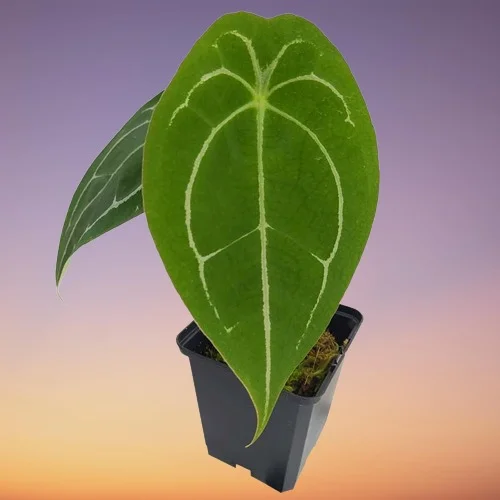
Botanical name: Anthurium forgetii
Family: Araceae
Origin
Anthurium forgetii is native to Colombia and Ecuador. Anthurium forgetii is more of a terrestrial plant than an epiphyte.
size
Anthurium forgetii is a small-sized, moderate grower which grows to a height of 4-5 feet and a spread of about 2 feet.
Is Anthurium forgetii toxic?
Yes. Anthurium forgetii like other Anthuriums is toxic to both humans and pets. It contains oxalate crystals which can cause digestive distress, breathing problems and skin irritation. Always wear gloves when handling the plant and wash your hands thereafter.
Where to Buy
If you would like to add Anthurium forgetii to your collection, you may acquire them from Etsy (Link to Etsy).
How to Care for Anthurium forgetii Indoors
To properly care for Anthurium forgetii indoors, provide bright indirect light, warmth of 16-270C, humidity of 60-80% and consistently moist, fertile, well-drained soil coupled with monthly feeding during the growing season.
Anthurium forgetii requires pruning to keep it tidy as well as reduce pest and disease infestations. Repotting is only needed when pot-bound. Continue reading for more on these growing conditions and how to achieve them.
How to water Anthurium forgetii
Water Anthurium forgetii liberally in spring and summer until water flows out through the drainage hole. Allow the top 1-2 inches of the soil to dry out between waterings. Keep the soil consistently moist but not soggy to prevent rotting, drooping, yellowing and browning leaves.
Lessen watering in fall and winter to maintain the soil slightly moist since growth is reduced at this time. However, do not allow the soil to dry out completely for a long period to prevent wilting, drooping, yellowing and browning of leaf tips.
Use room temperature (tepid) water, avoid consistently watering with cold water to prevent cold shock, which can cause stunted growth. In addition, use chlorine-free water like rainwater, to prevent browning of leaf edges.
Ensure the soil is free-draining, and the pot has a drainage hole to prevent waterlogging, which can lead to root-rot and eventual plant death. Take care not to wet the foliage to minimize fungal diseases.
Light Requirements
Anthurium forgetii prefers bright indirect light; a curtain-filtered, sunny window is ideal for this plant. Keep it away from direct sunshine to prevent scorching of the leaves.
Too low light will result in yellowing and leggy growth. If the natural lighting is not adequate, use full spectrum grow lights to increase it for a faster growth.
Rotate the pot regularly to ensure that the plant receives light on all sides for even growth.
Temperature & Humidity
Anthurium forgetii thrives in a warmth of 16-270C. Keep it away from sources of drafts to avoid temperature flactuations which can lead to slowed growth, wilting, drooping, yellowing and browning of leaves.
Anthurium forgetii flourishes in a humidity of 60-80%. Low humidity (dry air) will cause browning of leaf tips and edges. To elevate humidity, set the pot on a wet pebble tray, group the plants together, or instal a cool mist humidifier. Maintain proper air circulation to prevent fungal diseases.
Fertilizer
Feed Anthurium forgetii with a balanced, liquid fertilizer every 4 weeks in spring and summer to promote growth. Withhold feeding in fall and winter to prevent fertilizer burn because growth is minimal at this time.
Occasionally, flush out accumulated salts by running a stream of water through the soil until the water comes out through the drainage hole. Allow it to run for 5-10 minutes to clear as much salt as possible.
Potting Soil
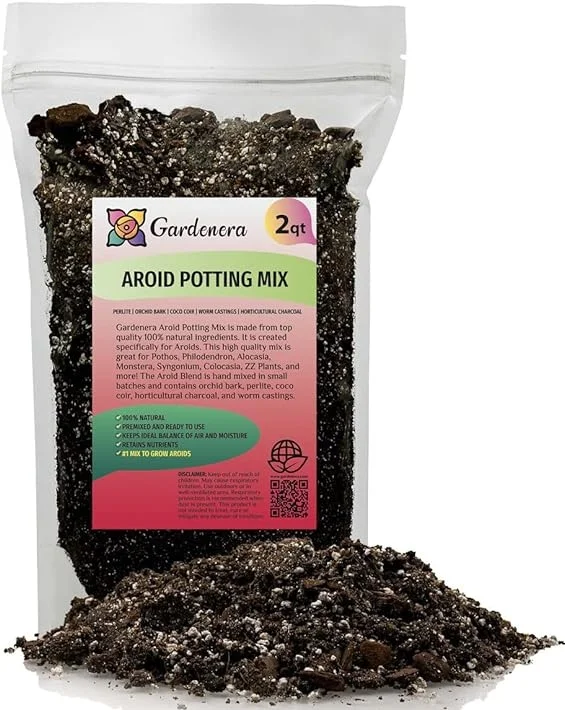
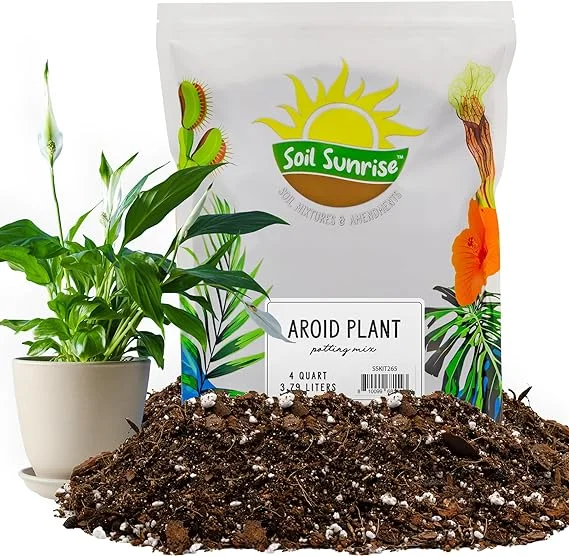
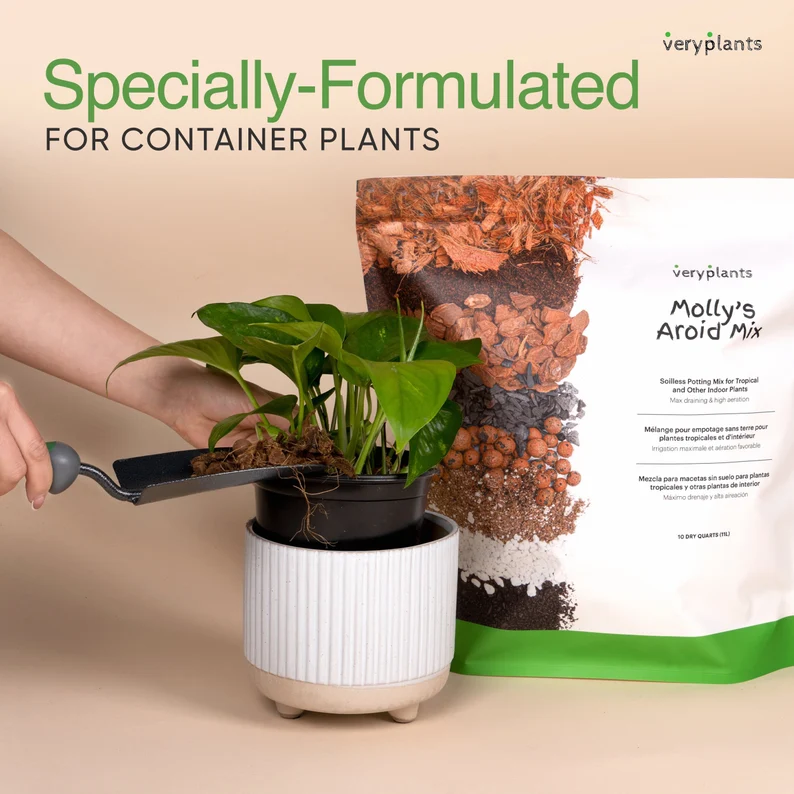
The best soil for Anthurium forgetii should be a rich, loose, chunky, well-aerated potting mix to prevent sogginess while providing the required nutrients. An Aroids potting mix is good for this plant.
Repotting
Repot Anthurium forgetii every 2 years at the beginning of the growing season (spring to early summer). Use a pot one-size larger and free-draining soil that is rich in organic matter.
Use a pot that has a drainage hole to avoid waterlogging as it can lead to root-rot and death of the plant. Check out these planters with drainage hole on Amazon.
Pruning & Maintenance
Pruning Anthurium forgetii involves removal of yellow and dead leaves to keep the plant neat, as well as reduce pest and disease infestations.
Cut the leaves at the base of the stem with a sharp sterlized knife or pair of scissors to avoid unnecessary injuries which can lead to disease infestations. Cut away any dead and wayward leaves to maintain the shape of the plant.
Regularly clean the leaves by damp-wiping with a soft cloth to get rid of dust. Do not leave water drops on the leaves as it may cause fungal infestations.
Anthurium forgetii Propagation
Anthurium forgetii is propagated by plant division. The best time to propagate is at the beginning of the growing season (spring to early summer) when in active growth for faster establishment.
Propagating Anthurium forgetii by plant division
- Water the plant thoroughly at least 1 day before to make it easier to divide and also hasten establishment.
- Slip the plant out of its pot and carefully divide it into sections by pulling apart the roots. Ensure each section has adequate roots to hasten establishment.
- Select a 6 or 8 inches pot that has a drainage hole to prevent the soil from getting soggy as it can lead to rotting.
- Fill the pot with loose, free-draining potting mix and make a hole in the center of the pot. Ensure that the hole is slightly wider than the root base of the section.
- Place the section in the previously made hole and lightly firm the soil around the base. Take care not to bury it too deep; maintain the section at the same soil level it was in the previous pot.
- Wet the soil thoroughly and place the set up in a well-lit, warm place until the new plant is well established after which you can begin routine care.
Learn more on How to Propagate Anthurium Plants by 5 Easy Methods.
Anthurium forgetii Problems & Remedies
Anthurium forgetii common problems are brown leaves, yellow leaves, drooping leaves, brown leaf tips, pests and diseases among others. Keep reading for more on these problems and their solutions.
Brown leaves
Some of the causes of brown leaves on Anthurium forgetii are dry air, temperature stress, inconsistent watering, soggy soil, salts buildup among others.
How to fix it
Dry air: To increase humidity, set the pot on a wet pebble tray, use a cool mist humidifier or group the plants together.
Temperature stress: Keep the plant away from sources of drafts like AC units, hot air vents, radiators, windy doors, drafty windows and others.
Inconsistent watering: Do not water on a schedule; water when the top 1-2 inches of soil feel dry and do not allow the soil to dry out completely for a long period.
Soggy soil: Use a pot that has a drainage hole and well-draining soil.
Salts buildup: Regularly, flush out excess salts by running a stream of water through the soil until the water drains through the drainage hole.
Yellow leaves
The main causes of yellow leaves on Anthurium forgetii are too little light, inconsistent watering, soggy soil, drafts among others.
How to fix it
Too little light: Position the plant in bright indirect light or use a grow light if the natural light is not sufficient.
Inconsistent watering: Water when the top 1-2 inches of soil feel dry to touch but do not allow the soil to dry out completely. do not water on a schedule.
Soggy soil: Use a pot with a drainage hole and free-draining soil.
Drafts: Keep the plant away from drafts coming from windy doors and windows, AC units, hot stoves, hot air vents among others.
Drooping leaves
Drooping leaves and stems on Anthurium forgetii are caused by low humidity, drafts, incorrect watering, pests infestations or direct sunlight.
How to fix it
Low humidity: To raise humidity, set the pot on a wet pebble tray, use a humidifier or grow the plant in a well-lit bathroom, kitchen, laundry area and other moist areas.
Drafts: Keep the plant away from sources of drafts like windy doors, drafty windows, AC units, heat sources among others.
Incorrect watering: Do not water on a schedule; water when the top 1-2 inches of soil dry but do not allow the soil to dry out completely.
Pests infestations: Regularly, inspect the plant for pests and take timely control measures.
Direct sunlight: Keep the plant away from direct sunlight or use a light curtain to diffuse the sunrays.
Brown leaf tips
Brown leaf tips on Anthurium forgetii are caused by dry air, underwatering or soggy soil.
How to fix it
Dry air: To upscale humidity, set the pot on a wet pebble tray, use a humidifier or grow the plant in a well-lit bathroom.
Underwatering: Water when the top 1-2 inches of soil feel dry and do not allow the soil to dry out completely for a prolong period.
Soggy soil: Use a pot that has a drainage hole and free-draining soil.
Pests
Common pests of Anthurium forgetii are fungus gnats, aphids and spider mites.
How to fix it
- Seperate the infested plant to reduce spread to other plants.
- Treat the infested plant with a neem oil or an insecticidal soap as per the manufacturers' instructions.
- Regularly, clean the leaves by damp-wiping with a soft cloth to discourage the pests.
- Maintain the plant well pruned to get rid of the hiding and breeding places of these pests.
Diseases
Anthurium forgetii is prone to root-rot disease which is promoted by soggy soil. It is characterized by general yellowing, browning, rotting and sudden plant death.
How to fix it
- Carefully slip the plant out of its pot and inspect the roots.
- Trim brown-black, mushy roots and treat the healthy roots with a copper-based fungicidal solution as indicated by the manufacturer.
- Disinfect the pot with the fungicidal solution or use a fresh pot to repot the plant in fresh, well-draining soil.
- Use a pot with a drainage hole and free-draining soil to prevent sogginess.
- Do not water the plant immediately; keep it dry for 5-7 days before you can resume watering.
- Lessen watering in fall and winter as growth is less at this time; keep the soil slightly moist.
Read more on these 8 Common Anthurium Problems and How to Fix It.
You liked it? Share on social media.
Related Content

Amazon Associates Disclosure
Homeplantsguide.com is a participant in the Amazon Services LLC Associates Program, an affiliate advertising program designed to provide a means for sites to earn advertising fees by advertising and linking to amazon.com.