How to Get Rid of Fungus Gnats from Houseplants: Fungus Gnats Treatment
Some links in this post may be affiliate links
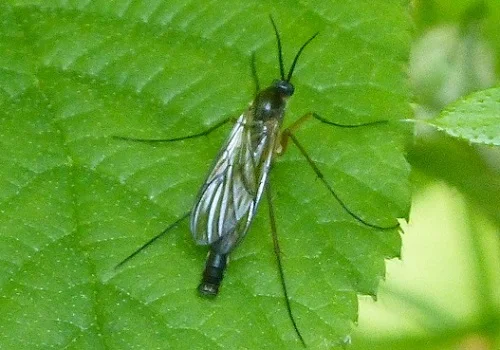
Fungus Gnats Identification
Fungus gnats are a major problem in houseplants care. The small, black, flying adults are harmless. The problem is that they lay eggs in the soil which hatch into tiny, black-headed maggots which are harmful.
These black-headed Fungus Gnat maggots normally feed on organic matter in the soil but they can devour young roots. The Fungus Gnats are troublesome in over-damp conditions. They multiply very fast and easily spread from one plant to another.
Be on the look out for these black, fly-like insects and take immediate control measures as they can infest your entire houseplants collection.
6 Methods of Getting Rid of Fungus Gnats from Houseplants
1. Repot the Plant in Fresh Soil
- Fungus Gnats are attracted by overdamp conditions. Repot the plant into a pot that has a drainage hole and well-draining soil to prevent sogginess.
- Cover the soil surface with a layer of sand or ornamental stones and allow the soil dry out slightly between waterings. This prevents the gnats from getting to the soil as well as discourage their infestation.
2. Use of Yellow Sticky Traps
- The yellow sticky traps, trap the adult fungus gnats and keep them from laying eggs in the soil which hatch into the destructive larvae.
- The adults are attracted to the yellow color. As the gnats fly about, they will get stuck in the sticky card, after which you can discard the card.
- Insert the cards in the soil such that they are below the plant foliage.
3. Use of Alcohol Solution
- Drench the infected soil with a solution of 4 parts water to 1 part rubbing alcohol. Repeat the treatment until the problem is cleared.
- The alcohol acts by killing the fungus gnats larvae thereby preventing multiplication and further destruction.
4. Use of Hydrogen Peroxide Solution
- Drench the infected soil with a solution of 1 part hydrogen peroxide to 4 parts water and repeat as necessary.
- The Hydrogen peroxide kills the fungus gnat larvae, therefore prevents further multiplication.
5. Use of Mosquito Bits
- Sprinkle Mosquito bits over the surface of the infected soil and water them in. Repeat until when the problem has cleared.
- The mosquito bits discourage the fungus gnats from infesting the soil. They deter these pests.
6. Use of a Pyrethrin-based Insecticidal Solution
- Lightly spray all the plant surfaces with a Pyrethrin-based insecticidal spray and spray the infected soil to thoroughly moisten the surface.
- Drench the infected soil with the Pyrethrin-based insecticidal solution as per the manufacturer's recommendations.
- Allow the top 2 inches of soil to dry out before watering again. This deters the fungus gnats from infesting the soil.
- The Pyrethrin-based insecticidal solution is effective against the adult fungus gnats as well as the larvae.
How to Keep Fungus Gnats Away from Indoor Plants
- Keep your plants healthy at all times by providing the right growing conditions. Vigorously-growing plants are less likely to be damaged by pests.
- Get your plants from reliable sources to avoid introducing these pests in your plant collection.
- Inspect new plants before bringing them indoors and treat any infested plants until they are free of these pests.
- Frequently inspect your plants for Fungus Gnats and take timely control measures.
- To prevent infestation, cover the soil surface with a layer of sand or ornamental stones and let the soil slightly dry out between waterings.
- Use sticky barriers to prevent the Fungus Gnats from causing damage to the plants.
- Apply Diatomaceous Earth on the soil and around the base of the plants, to deter and kill the Fungus Gnats.
- Keep your plants properly pruned to get reduce the breeding and hiding grounds for these pests.
- Maintain the growing area clean by removing any plant debris as it can harbor these pests and/or their eggs.
- Regularly clean the leaves, by damp-wiping with neem oil to discourage these pests.
- Avoid overwatering and/or soggy soil as Fungus Gnats are more prevalent in overdamp conditions. Use a pot with a drainage hole and a free-draining soil.
You liked it? Share on social media.
Related Content
Amazon Associates Disclosure
Homeplantsguide.com is a participant in the Amazon Services LLC Associates Program, an affiliate advertising program designed to provide a means for sites to earn advertising fees by advertising and linking to amazon.com.