12 Reasons Why Pothos Leaves are Turning Yellow & How to Solve Them
Some links in this post may be affiliate links
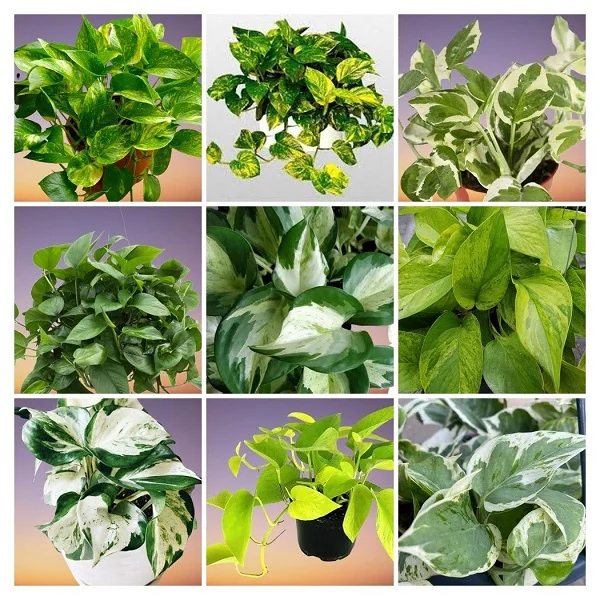
Pothos varieties are popular, low-maintenance, climbing or trailing plants and are gorgeous in a hanging basket, on a pedestal, trellis or moss pole, and anywhere they can be allowed to climb upwards or hang downwards.
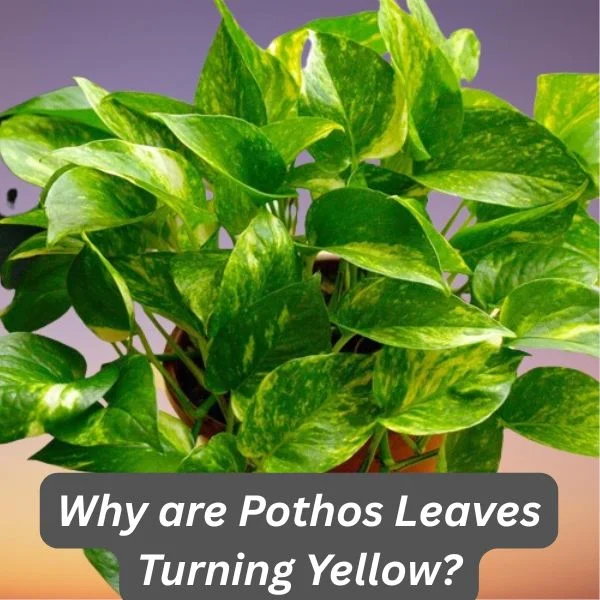
Pothos are easy-care, perennial plants in the family Araceae. True Pothos are botanically classified as Epipremnum aureum formerly Scindapsus aureus. In addition, some Epipremnum pinnatum and Scindapsus pictus varieties are often referred to as Pothos.
Generally, Pothos Plants grow best in medium to bright indirect light, warm and humid conditions and moderately moist, nutrient-rich, airy, well-drained soil coupled with monthly feeding in the spring and summer.
Failure to meet these requirements may cause the Pothos leaves to begin turning yellow. Some of the causes of yellowing are poor lighting, inconsistent watering, temperature stress, dry air, nutrients deficiency, poor soil quality, being pot-bound, diseases and pests among others. Below are 12 causes of Pothos yellow leaves and how to fix them.
12 Causes of Pothos Yellow Leaves & How to Fix It
1. Wrong Lighting
Too little light means that the plant cannot make adequate food for growth and development. This causes the leaves to turn yellow, then brown and eventually die.
On the other hand, exposure to too bright light or direct sunlight will cause the leaves to lose their beautiful leaf color and to develop yellowish leaves and brown scorch marks.
How to fix it
Position the Pothos Plant in a spot where it will receive medium to bright indirect light; a spot infront a bright, sunless window is perfect.
Keep it away from direct sunlight or use a light curtain to filter the sunrays. If the natural lighting is not sufficient, instal a grow light to increase it.
Monthly, give the pot a quarter turn, to ensure that the plant absorbs enough light for photosynthesis on all sides to prevent yellowing and leggy growth.
2. Poor Soil Quality
Poor quality soil does not drain easily and will become compacted or soggy which will lead to reduced growth, yellowing and eventual death of the plant.
How to fix it
Grow Pothos in rich, well-drained soils which will not get soggy while providing the required nutrients. A potting mix designed for Pothos and those designed for Aroids are perfect for these plants.
3. Too Dry Air
Too dry air will result in reduced growth leading to yellowing, brown leaf tips and edges, leaf drop and eventual death of the plant if not corrected.
How to fix it
To raise humidity, group the plants together, set the pot on a wet pebble tray or use a cool mist humidifier. You may also grow the plant in a well-lit bathroom, kitchen and other humid areas in the home.
4. Root-rot Disease
Pothos are prone to root-rot which is prevalent in soggy soil brought about by poor soil drainage. The disease is characterized by wilting, drooping, yellow leaves and eventual death of the plant.
How to fix it
Slip the Pothos Plant out of its pot and inspect the roots. Brown-black mushy roots indicate root-rot, trim them off.
Treat the healthy roots with a copper-based fungicidal solution as directed by the manufacturer.
Disinfect the pot with the fungicidal solution or use a fresh pot to repot the plant in fresh, well-drained soil. Keep the plant dry for some time before you resume watering.
Use a pot that has a drainage hole and well-draining soil to prevent sogginess in the future.
Cut down on watering in the cold season as growth is minimal at this time, therefore, the plant does not require a lot of water.
5. Pest Infestations
POthos are fairly resistant to pests. However, weak plants can be infested by spidermites and mealybugs which are more prevalent in dry conditions. These sap-sucking insects will cause reduced growth, wilting and yellowing of leaves.
How to fix it
Always ensure that your Pothos Plant is healthy at all times by giving it the proper growing conditions.
To minimize pest infestations, increase the humidity around the plant.
Maintain the plant well pruned by removing dead and yellow foliage to minimize pest infestations. Cut the leaves with a clean sharp knife or scissors as close to the base as possible.
Seperate the affected plant from the rest of the plants to reduce spread.
Treat the infested plant with an insecticidal soap or horticultural oil to get rid of the pests. Make sure to follow the manufacturers instructions.
6. Improper Feeding
Overfeeding will cause the roots to die due to fertilizer burn. When the roots die, they cannot take up nutrients and water required for photosynthesis, thus the leaves begin to turn yellow and drop.
Underfeeding means that the plant is not getting enough nutrients needed for growth, therefore, the leaves turn yellow, brown and eventually they die.
How to fix it
Feed Pothos with a balanced, liquid fertilizer once a month during the growing season. Withhold feeding in the cold season to prevent fertilizer burn as growth is minimal at this time.
Flush out accumulated salts regularly by running a stream of water through the soil until it comes out through the drainage holes. Repeat the process several times to leach out as much as possible of these salts from the soil.
7. Inconsistent Watering
Underwatering means that there is too little moisture in the soil for the plant to take up to the leaves for food making. Lack of adequate food for growth and other processes will cause the plant to begin to die from the leaves which turn yellow, brown and eventually die.
Overwatering results in soggy soil which leads to the death of the roots due to lack of oxygen. This means the roots cannot take up water and therefore the plant cannot make food for growth and energy. This results in yellowing leaves and eventual death of the plant if not corrected.
How to fix it
Water the Pothos Plant when the top 2-3 inches of soil dry out but do not allow the soil to dry out completely for prolonged periods of time.
Ascertain that the pot has a drainage hole and that the soil is free-draining to prevent it from getting soggy.
8. Temperature Stress
Extreme temperatures, either too cold or too hot will reduce growth causing the leaves to start turning yellow. Sudden drops in temperature from cold drafts will lead to reduced growth which will cause yellowing and death of the plant. On the other hand, very high temperatures will cause the plant to become dehydrated which causes the leaves to turn yellow and die.
How to fix it
Keep Pothos away from sources of drafts like windy windows and doors, AC units, hot surfaces, heating units, hot stoves, hot air vents and other drafty areas to avoid temperature flactuations
9. Water Quality
Consistently watering Pothos with too cold water will cause cold shock to this tropical plant leading to reduced growth, yellowing leaves and eventual death of the plant. Pothos are sensitive to salts and other chemicals dissolved in water to which it will respond with brown leaf tips and edges, yellowing and plant death.
How to fix it
Use room temperature water to water your Pothos; avoid watering it consistently with too cold water.
Water the plant with chlorine-free like rain water or any chlorine-free water that is available to you.
Occasionally, flush out excess salts from the soil by running a stream of water through the soil. Allow the stream of water to run for some time and repeat the process several times.
10. Being Pot-bound
If the plant becomes pot-bound the roots fill up the pot and there is very little soil to hold water when the plant is watered. This implies that there is too little soil for the plant to take up to the leaves for photosynthesis. Therefore the plant cannot make enough food for growth and the leaves begin to turn yellow.
How to fix it
Check the bottom of the pot, if a lot of roots are growing through the drainage hole, repot Pothos into a pot one size larger than the current one.
Ensure that the pot has a drainage hole and the that the soil is well-drained. Check out these ceramic pots with drainage holes on Amazon.
11. Repotting Shock
Repotting your Pothos may cause it some shock which may lead to some leaves wilting and turning yellow before it can adjust the new growing conditions.
How to fix it
To minimize repotting shock, water the Pothos Plant thoroughly one day before repotting as a well hydrated plant experiences less shock.
Avoid making too many changes at once. For instance, after repotting, maintain the plant in the same spot until it is well established before moving it to a new location.
12. Aging
As the Pothos Plant matures, the older leaves turn yellow, brown and drop. Therefore, do not be alarmed, if one or two leaves yellow as this is a natural process.