Purple Waffle Plant (Hemigraphis alternata) Care Indoors; Watering, Light, Propagation
Some links in this post may be affiliate links
Hemigraphis alternata also called Red Flame Ivy, Metal Leaf Plant or Red Ivy is a climbing plant whose leaves are silvery in the shade and metallic purple when grown under some direct sunshine.
Red Flame Ivy is among purple-leaved plants and is perfect for a hanging basket, pedestal or tabletop where the stems can beautifully cascade downwards to display the beauty of the metallic leaves.
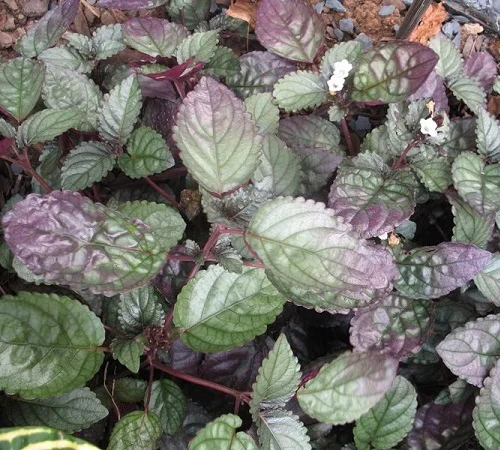
Botanical name: Hemigraphis alternata
Synonym: Hemigraphis colorata
Family: Acanthaceae
Common names: Purple Waffle Plant, Red Ivy, Red Flame Ivy, Metal Leaf Plant
Origin
Hemigraphis is a genus of perennial plants consisting of about 30 species native to tropical Asia.
How big can a Purple Waffle Plant get?
Though called an Ivy, Purple Waffle Plant is not a True Ivy. It is quite different from a True Ivy; Purple Waffle Plant size is limited to 1-2 feet. The oval leaves are only 3 inches long.
Hemigraphis Varieties
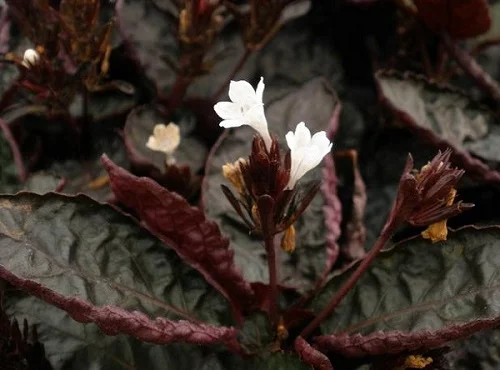
Apart from Hemigraphis alternata, the other species that can be grown indoors is Hemigraphis exotica which has puckered leaves.
Is Hemigraphis alternata toxic?
No. Hemigraphis alternata is non-toxic to humans and pets as indicated by ASPCA. The plants are safe to grow in a home with children, cats, dogs and other pets.
How to care for Hemigraphis alternata indoors
To care for Purple Waffle Plant indoors, provide bright light with 4-6 hours of sunlight, warmth of 18-270C, humidity of 55-65% and consistently moist, rich, well-drained soils coupled with fortnightly feeding in spring and summer.
Hemigraphis alternata requires regular pruning to keep it neat, encourage a bushy growth and discourage pest and disease infestations. Repotting is only necessary when pot-bound. Keep reading for more on these growing conditions and how to achieve them.
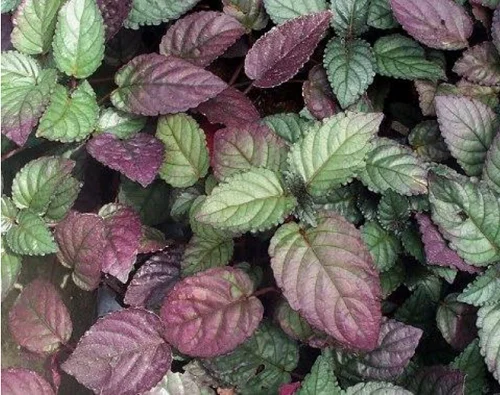
Hemigraphis alternata
Watering
Water Purple Waffle Plant liberally in spring and summer while allowing the top 1-2 inches of soil to dry out between waterings. Keep the soil consistently moist and avoid overwatering to prevent rotting, drooping, yellowing and leaf drop
Cut down on watering in fall and winter to keep the soil slightly moist as growth is slowed at this time. However, do not allow the soil to dry out completely to avoid wilting, drooping, yellowing and leaf loss.
Only water with room temperature water to prevent cold shock which can result in stunted growth and leaf drop. Use chlorine-free water to avoid staining and browning of leaf edges.
Confirm that the soil is free-draining and the pot has a drainage hole to prevent waterlogging which can lead in root-rot and death of the plant. Take care not to wet the foliage to minimize fungal diseases.
Light Requirements
Purple Waffle Plant grows best in bright light with 4-6 hours of sunlight to enhance growth and a vibrant leaf color. Keep it away from hot midday sunshine to prevent scorching of the leaves.
To prevent leggy growth and lose of leaf color, use a grow light if the natural light in your home is not sufficient.
For even growth and to prevent leggy growth, give the pot a quarter turn every month, to make sure that the plant receives light on all sides.
Temperature & Humidity
Hemigraphis alternata prospers in a warmth of 18-270C. Keep it away from sources of drafts like AC units, windy doors, heat sources among others as they can result in reduced growth, yellowing and leaf drop.
Purple Waffle Plant flourishes in a humidity of 55-65%. Too low humidity will result in brown leaf tips and edges. To step up humidity, group the plants together, set the pot on a wet pebble tray or use a cool mist humidifier. Do not mist the leaves and maintain proper air circulation to reduce fungal diseases.
Fertilizer
Feed Purple Waffle Plant with a balanced, water-soluble fertilizer every 2-3 weeks in spring and summer for lush growth. Withhold feeding in fall and winter as growth is minimal and feeding at this time may lead to fertilizer burn and loss of the plant.
Soil Mix
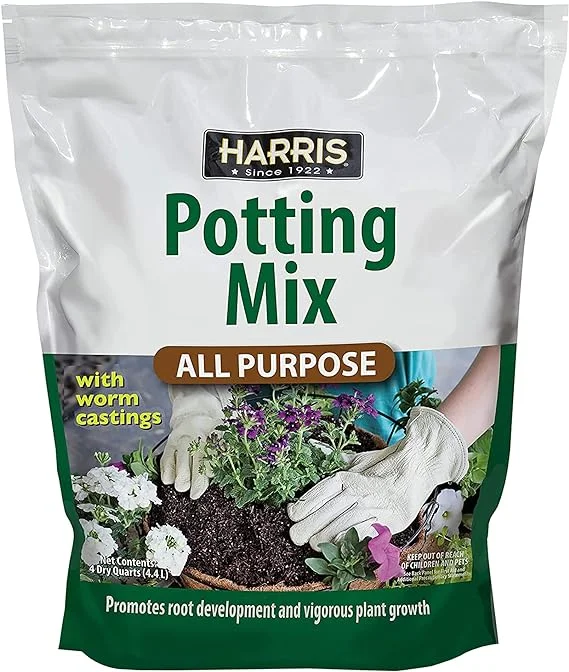
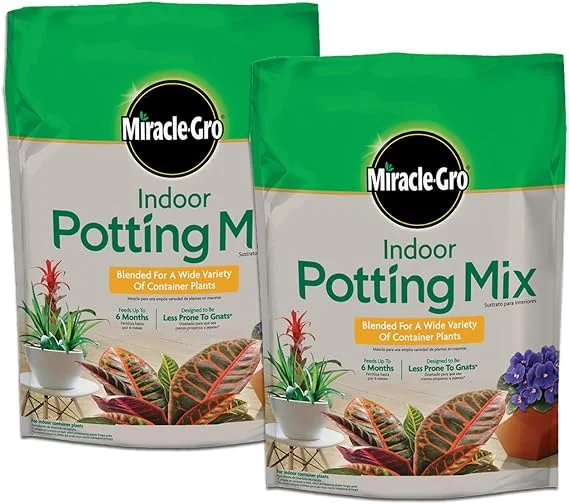
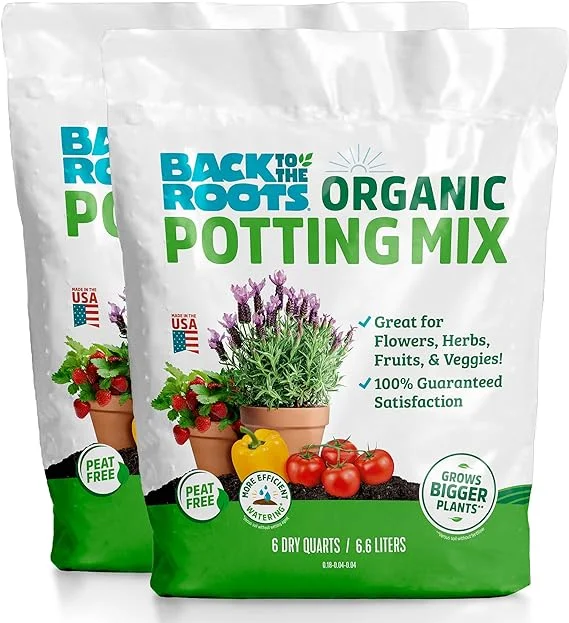
The best soil mix for Purple Waffle Plant should be a rich, free-draining soil to prevent sogginess while providing the required nutrients. A blend of 2 parts organic potting mix and 1 part perlite (for drainage) is perfect for this plant.
Repotting
Repot Red Flame Ivy in the beginning of the growing season (spring to early summer), only when pot-bound. Use a pot one size larger than the current one to avoid overpotting which can result in soggy soil.
Ensure the pot has a drainage hole and the soil is well-draining to prevent waterlogging as it can lead to root-rot. Check out these pots with drainage holes on Amazon.
Pruning
Pruning Purple Waffle Plant involves frequent removal of any dead foliage to keep the plant neat and tidy as well as discourage pest and disease infestations.
Pinch off the growing tips to encourage a bushier growth and to prevent the plant from becoming leggy. Cutback the stems at the beginning of the growing season (spring to early summer) when they become straggly to rejuvenate growth and promote bushyness.
Hemigraphis alternata Propagation
Purple Waffle Plant is best propagated from stem cuttings which acn be rooted either in water or in soil. The best time to propagate Hemigraphis alternata is at the beginning of the growing season (spring to early summer) when in active growth for faster establishment.
1. Propagating Purple Waffle Plant from stem cuttings in water
- Take 4-5 inches stem cuttings from a healthy plant. Make sure each cutting has at least one set of leaves.
- Submerge 2-3 inches of the lower end of cutting into a jar of plain water.
- Place the set up in a warm, well-lit spot and change the water every 5-7 days.
- When a good amount of roots have formed, transfer the cuttings into small pot in moist, free-draining soil.
- Position the set up in a warm, well-lit place away from direct sunshine to prevent scorching.
- Maintain the soil moist until new growth emerges which indicates rooting has taken plant after which you can begin routine care. For a fuller plant, transfer several cuttings into one pot.
2. Propagating Purple Waffle Plant from stem cuttings in soil
- Take 4-5 inches stem cuttings from a healthy plant. Ensure each cutting has at least one set of leaves.
- Fill small pots with well-draining soil and moisten it lightly. Use pots with good drainage to avoid rotting.
- Insert 2-3 inches of the stem cuttings in the moist soil and place in warm, well-lit place away from direct sunlight.
- Maintain the soil moist until new growth emerges which indicates rooting has taken plant.
- Allow enough time for substantial growth and establishment.
- Transfer the rooted cuttings into pots one size larger than the current ones and begin routine care. For a fuller plant, transfer several cuttings into one pot.
Hemigraphis exotica
Hemigraphis alternata Problems & Solutions
Purple Waffle Plant problems are plant dying, curling and wilting leaves, brown leaf tips, pests and diseases among others. Keep reading for more on these problems and their remedies.
Plant dying
Why is my Purple Waffle Plant dying?
Your Purple Waffle Plant may be dying due to inadequate light, inconsistent watering, soggy soil, temperature stress or dry air.
How to fix it
Inadequate light: Move the plant to a brighter spot where it will receive bright light with some sunlight or instal a grow light if the natural light is not sufficient.
Inconsistent watering: Do not water on a schedule. Water when the top 1-2 inches of soil dry out but do not allow the soilball to dry out completely.
Soggy soil: Use a well-draining soil and a pot that has a drainage hole.
Temperature stress: Keep the plant away from drafts emanating from AC units, heat sources, windy doors, drafty windows and others.
Dry air: Set the pot on a wet pebble tray or use a cool mist humidifier to raise humidity.
Curling and wilting leaves
Curling and wilting leaves on Purple Waffle Plant are due to underwatering, hot drafts, being pot-bound or spider mite infestation.
How to fix it
Underwatering: Water when the top 1-2 inches of soil feel dry but do not allow the soil to dry out completely.
Hot drafts: Keep the plant away from sources of hot drafts like stoves, heat vents and other heat sources.
Being pot-bound: Repot the plant annually at the beginning of the growing season only when root-bound into a pot one size larger.
Spider mite infestation: Regularly check underneath the leaves for these pests and carry out timely control measures.
Brown leaf tips
Brown leaf tips on Purple Waffle Plant are caused by dry air, extreme temperatures or underwatering.
How to fix it
Dry air: Set the pot on a wet pebble tray, group the plants together or use a cool mist humidifier to elevate humidity.
Extreme temperatures: Keep the plant away from drafts to avoid drastic temperature flacuations.
Underwatering: Water when the top 1-2 inches of soil dry out but do not allow the soil to dry out completely.
Pests
Common pests of Purple Waffle Plant are spider mites, scale insects and whiteflies which are prevalent in dry conditions.
How to fix it
- Isolate the affected plant to prevent spread to the other plants.
- Treat the infested plant with neem oil or insecticidal soap as directed by the manufacturers.
- Regularly wash the leaves by splashing a lot of water on the leaves to keep the pests away.
- Use a humidifier or a wet pebble tray to raise humidity to discourage the pests.
- Keep the plant well pruned to reduce the hiding and breeding places for these pests.
Diseases
Purple Waffle Plant is prone to powdery mildew which is indicated by brown-grey dust on the leaves. It is prevalent in warm, humid conditions.
How to fix it
- Remove and burn the affected parts to reduce the risk of spread to the rest of the plants.
- Spray the affected plant with a systemic fungicide and ensure to cover all the parts with the fungicidal solution.
- Do not mist or wet the foliage to minimize the occurence of the disease.
- Ensure that there is good air circulation for the plant to discourage the disease infestation.
You liked it? Share on social media.
Related Content
Amazon Associates Disclosure
Homeplantsguide.com is a participant in the Amazon Services LLC Associates Program, an affiliate advertising program designed to provide a means for sites to earn advertising fees by advertising and linking to amazon.com.