Ficus cyathistipula Common Problems and Treatment: How to Keep African Fig Tree Thriving
Some links in this post may be affiliate links
Ficus cyathistipula commonly called African Fig Tree or Birchbark Fig is among popular Ficus varieties, and bears glossy, leathery, tumbler-shaped, dark-green leaves arranged spirally on a 4 cm long petiole.
Ficus cyathistipula can develop problems if the growing conditions are wrong. Whether you are dealing with yellowing leaves, leaf drop, brown spots or pest infestations, this guide will help you diagnose and treat common issues.
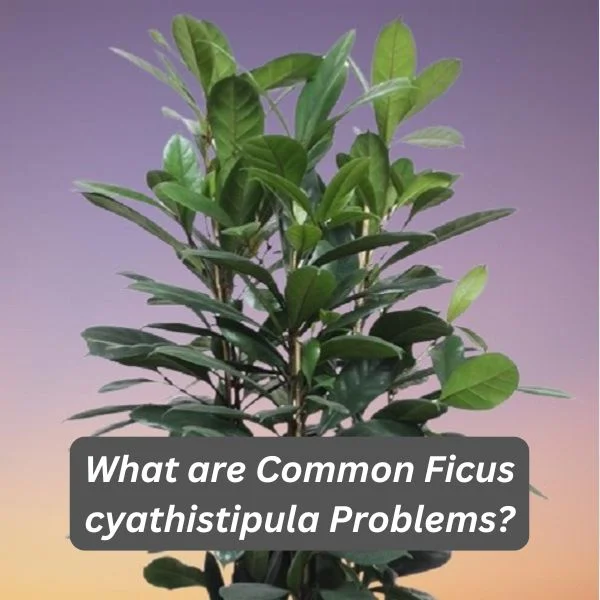
Ficus cyathistipula Troubleshooting and Treatment Guide
(A) Yellow Leaves
Ficus cyathistipula leaves turn yellow before falling off. Yellowing may start at the edges or affect entire leaves. Some of the causes of yellow leaves on Ficus cyathistipula are inconsistent watering, soggy soil, low light, temperature stress or nutrients deficiency.
How to Fix It
Inconsistent Watering: Do not water on a schedule; Water the plant when the top 2-3 inches of soil dry out but do not allow the soil to dry out completely for a long period.
Soggy Soil: Ensure that the pot has a drainage hole and the soil is well-draining.
Low Light: Place the plant in a brighter spot and ensure it is receiving bright light with 4-6 hours of direct sunshine or instal a grow light if the natural lighting is not sufficient.
Temperature Stress: Keep Ficus cyathistipula away from drafts like AC units, windy doors, radiators, hot air vents, stoves and others, to maintain a warmth of 16-240C.
Nutrient Deficiency: Feed African Fig Tree with a balanced liquid fertilizer every 4–6 weeks in spring and summer.
(B) Dropping Leaves
Ficus cyathistipula leaves fall off suddenly or gradually. It can happen from the bottom up or randomly across the plant. The main cause of leaf drop are temperature stress, inconsistent watering, low humidity or transplanting shock.
How to Fix It
Temperature Stress: Keep the plant away from drafts like heaters, AC vents, windy doors, drafty windows among others.
Inconsistent Watering: Water African Fig Tree liberally while allowing the top 2-3 inches of soil to dry out between waterings. Never allow the soil to dry out completely for a long duration.
Low Humidity: Use a cool mist humidifier, group the plants together or place the pot on a wet pebble tray to elevate humidity. You may also grow the plant in a well-lit bathroom, laundry area and other humid areas in the home.
Transplanting Shock: Do not make too many changes at once; gradually acclimate the plant to the new growing conditions. Be patient; your plant will stabilize in a few weeks with proper care.
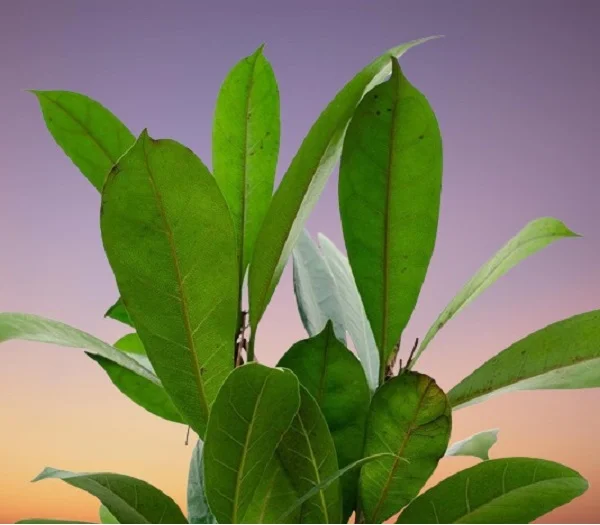
(C) Drooping leaves
Drooping leaves on African Fig Tree are caused by underwatering, being pot-bound, temperature stress, pests infestation or poor quality soil.
How to Fix It
Underwatering: Water the plant immediately and the leaves should perk up. Never allow the soil to dry out completely for a prolonged period.
Being Pot-bound Check the bottom of the pot for roots growing through the drainage hole. Repot the plant into a pot one size larger than the current one.
Drafts: Keep the plant from sources of drafts like hot air vents, heat sources, radiators, windy doors, drafty windows, AC units and others.
Pests Infestation: Regularly inspect the plant for pests and take timely control measures.
Poor Quality Soil: Pot African Fig Tree in loose, free-draining soil that is rich in organic matter. A blend of 50% potting soil, 30% peat moss or coco coir (for moisture retention) and 20% perlite or sand (for aeration) is ideal.
(D) Brown Leaf Edges and Tips
African Fig Tree leaves develop brown, crispy edges or dry tips due to low humidity, inconsistent watering, salts buildup or use of hard water.
How to Fix It
Low Humidity: To increase humidity, use a cool mist humidifier, group the plants together or set the pot a wet pebble tray. You may also grow the plant in a well-lit bathroom, kitchen and other moist areas in the home.
Inconsistent Watering: Check soil moisture frequently and water when needed. If it feels dry, water the plant but if it feels wet do not water.
Salts buildup: Take care not to over fertilize your plant by following the manufacturer's instructions indicated on the label.
Flush the soil with water every 2–3 months to remove excess salts. Run a steady stream of water through the soil until it comes out through the drainage hole.
Use of Hard Water: Use filtered, distilled, or rainwater to water your African Fig Tree.
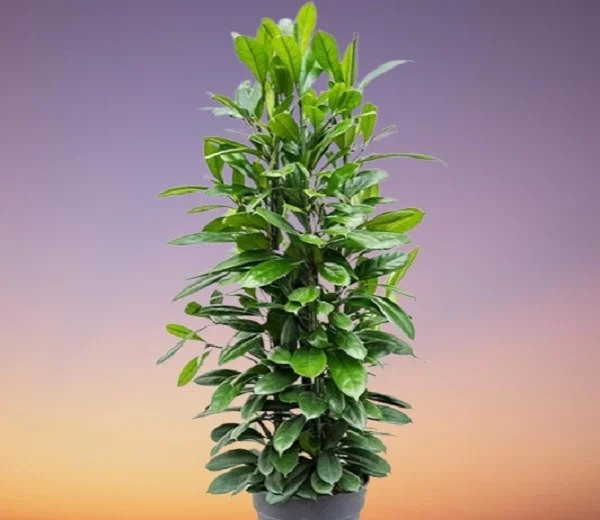
(E) Brown Leaf Spots
Ficus cyathistipula leaves develop irregular brown spots which may spread and cause leaf drop. Brown leaf spots are due to fungal diseases, scorching or pest damage.
How to Fix It
Fungal Diseases: Wet and humid conditions coupled with poor airflow create the perfect conditions for disease infestations.
- Trim off and discard (burn) affected leaves to minimize spread of diseases.
- Avoid overwatering and soggy soil by making sure that the pot has a drainage hole and the soil is free-draining.
- Ensure that there is good airflow around the plant.
Scorching: Move the plant to a more shade place or use a light curtain to filter too hot direct sunshine.
Pest Damage: Inspect the leaves closely and treat with insecticidal soap or neem oil as indicated by the manufacturers.
(F) Rot Disease
African Fig Tree is prone to root-rot disease which is enhanced by soggy soil. The disease is characterized by wlting, yellowing and browning of the leaves which is rapidly followed by plant collapse.
How to Fix It
- Pot the plant in pot with a drainage hole to prevent the soil from getting overwet.
- Mix perlite or sand into the soil to improve aeration and drainage.
- If you suspect root-rot, take out the plant from its pot, trim rotten roots, and treat the healthy roots with a copper-based fungicidal solution. Repot the plant in fresh soil.
- Cut down on watering during the cold season as growth is minimal at this time.
(G) Pests Infestations
Common Pests of African Fig Tree are;
Spider Mites: These are tiny, red or brown dots with fine webbing on leaves.
Mealybugs: They are white, cotton-like clusters on stems and leaf joints.
Scale Insects: Hard, brown bumps that don’t move but suck sap from the plant.
Aphids: These are tiny, soft-bodied insects also commonly called Plant Lice.
How to Treat Pest Infestations
1. Spider Mites & Mealybugs:
- Spray with neem oil or insecticidal soap every 5–7 days.
- Wipe leaves with a damp cloth to remove pests.
- For a heavy infestation, spray the plant with a systemic insecticide as indicated on the label.
- Increase humidity, as dry conditions encourage mites.
2. Scale Insects:
- Scrape off scale manually using a soft toothbrush.
- Treat the plant with neem oil or rubbing alcohol.
- Treat a severe infestation by weekly application of a systemic insecticide as indicated by the manufacturer.
3. Aphids:
- Wash off the aphids with a high pressure stream of water. For delicate foliage, turn the plant upside down and dip the foliage in a bucket of water to wash off the pests. Repeat as many times as is necessary.
- Wipe the pests off with cotton buds or a soft cloth dabbed in rubbing alcohol every 7 days.
- Spray a severely affected plant with a contact Pyrethrin-based insecticide as per the manufacturer's recommendations.
Ficus cyathistipula Indoor Care
Ficus cyathistipula thrives in bright light with 4-6 hours of direct sunlight, warmth of 16-240C, humidity of 50-55% and moderately moist, rich, well-drained soil coupled with fortnightly feeding in the growing season.
Frequently Asked Questions (FAQs)
1. Why are my Ficus cyathistipula leaves turning yellow?
The most likely causes of yellow leaves in your Ficus cyathistipula are overwatering, underwatering, cold drafts, nutrient deficiency or low light. Check your care routine and adjust accordingly.
2. How do I stop my Ficus cyathistipula from dropping leaves?
Ensure consistent watering, maintain humidity, and keep stable temperatures. Avoid moving the plant too frequently.
3. What’s the best way to get rid of pests on my African Fig Tree?
Use neem oil or insecticidal soap, and wipe the leaves regularly to discourage infestations.
4. Can I trim brown leaf tips off my plant?
Yes. Use a sharp pair of scissors to trim brown edges, cutting just above the healthy part of the leaf.
5. How do I know if I am overwatering my Ficus?
If the soil feels wet for days, the leaves turn yellow and mushy, or the plant looks droopy, lessen watering.
You liked it? Share on social media.
Related Content
Amazon Associates Disclosure
Homeplantsguide.com is a participant in the Amazon Services LLC Associates Program, an affiliate advertising program designed to provide a means for sites to earn advertising fees by advertising and linking to amazon.com.