Sooty Mold on Houseplants; Causes, Symptoms, Treatment and Prevention
Some links in this post may be affiliate links
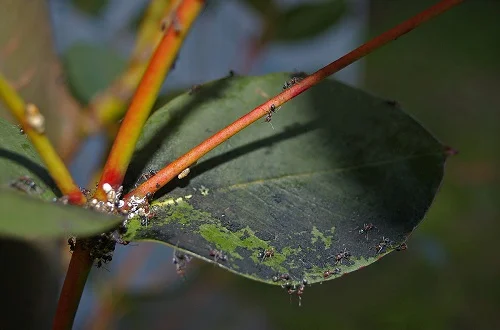
Sooty Mold Causes & Symptoms
Sooty Mold is a black mold which grows on the sticky, honeydew deposited by sap-sacking insect pests. This sooty mold reduces plant growth and vigour by blocking pores and shading the leaf surface area for light absorption.
Sooty Mold causes the plant to grow slowly and in severe cases the plant may stop growing altogether. This Sooty Mold is unpleasant to look at and makes the plant unsightly and unattractive.
Common pests responsible for Sooty Mold are;
- Aphids: Tiny, soft-bodied insects which are usually green but may be black, grey or orange.
- Scale insects: Small, brown discs which are covered by an outer waxy shell.
- Mealybugs: White, soft-bodied, cottony-looking insects.
- Whiteflies: Tiny, white moth-like insects which occur in clusters.
Treatment for Sooty Mold on Houseplants
- Isolate the affected plant to prevent spread of the pests to other houseplants.
- Remove the heavily affected leaves to keep the plant neat and tidy.
- To remove the sooty mould, clean the leaves by wiping with a damp soft cloth and rinse with warm water.
- To get rid of the pests, treat the infested plant with a neem oil or an insecticidal soap as per the manufacturers instructions.
How to Prevent Sooty Mold on Houseplants
- Regularly inspect the plant for the sap-sucking pests and take timely control measures.
- Keep the plant well pruned and raise humidity to minimize the pests infestations.
- Occasionally clean the leaves to get rid of dust as well as discourage the pests.
You liked it? Share on social media.
Related Content
Amazon Associates Disclosure
Homeplantsguide.com is a participant in the Amazon Services LLC Associates Program, an affiliate advertising program designed to provide a means for sites to earn advertising fees by advertising and linking to amazon.com.