Sanchezia nobilis Plant Care Indoors; Watering, Light, Soil, Propagation, Problems
Some links in this post may be affiliate links
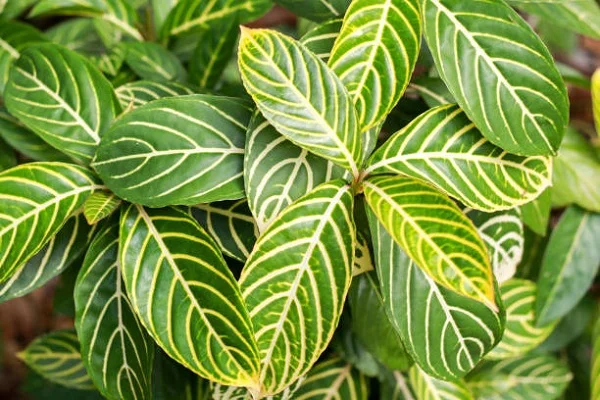
Sanchezia nobilis Plant also called Golden Vein Plant is among the popular flowering plants and features yellow, tubular flowers in upright clusters above the foliage. The blooms are attractive but the large leaves up to 12 inches long provide the main display with their yellow or ivory veins.
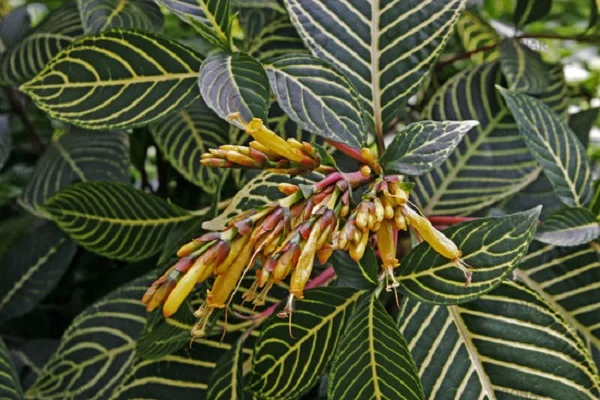
Botanical name: Sanchezia nobilis
Syn. Sanchezia speciosa
Family: Acanthaceae
Common names: Sanchezia Plant, Golden Vein Plant
Origin
Sanchezia nobilis also called Sanchezia speciosa is native to the lowlands of tropical South and Central America, where it grows as an understory plant. The Golden Vein Plant is a striking, perennial shrub named after Jose Sanchez, a 19th century professor of botany at Cadiz, Spain.
Size
Sanchezia Plant can grow to a height of 10 feet and requires regular pruning to control its growth.
Is Sanchezia toxic to pets?
No. A research directed by C. Daehler (UH Botany) at Pacific Island Ecosystems at Risk (PIER) found that Sanchezia nobilis is non-toxic to humans and pets. However, it produces a sap that may cause skin irritation in sensitive people therefore always wear gloves when handling this plant.
Similar Plants
Sanchezia Plant is similar in appearance to the more popular Aphelandra squarrosa (Zebra Plant), which is much smaller, growing to a height of 2 feet only.
Why Grow Sanchezia Plant?
- Eye-catching foliage: Deep green leaves with bold yellow veins add a tropical touch to your home.
- Easy to maintain: It thrives with proper watering and occasional pruning.
- Fast growth: It can grow up to several feet tall, making it perfect for statement pieces.
- Exotic appeal: Adds a lush, tropical vibe to any indoor space.
How to Care for Sanchezia nobilis Indoors
To care for Sanchezia nobilis Plant indoors, provide bright indirect light, warmth of 18-260C, humidity of 55-70% and consistently moist, fertile, well-drained soil coupled with monthly feeding in the growing season.
Golden Vein Plant requires regular pruning to keep it neat, to encourage a bushy growth and to rejuvenate growth. Young plants needed to be repotted annually while the mature plants require to be repotted when they become pot-bound. Keep reading for more on these growing conditions and how to provide them.
Watering
Water Sanchezia nobilis Plant liberally in spring and summer until the water drips through the drainage hole. Allow the top 1-2 inches of soil to dry out between waterings. Maintain the soil consistently moist but not soggy to prevent rotting, drooping, yellowing and leaf drop.
Decrease watering in fall and winter to keep the soil slightly moist since growth is reduced at this time. Do not allow the soil to dry out completely for too long to prevent wilting, drooping, yellowing, leaf loss and brown leaf tips.
Make sure that the pot has a drainage hole and the soil is free-draining to prevent waterlogging as it can result in root-rot and eventual plant death. Avoid wetting the foliage to minimize fungal diseases.
Use room temperature water as consistently watering with too cold water can result in stunted growth and leaf loss. Ensure the water is free of chlorine and other dissolved chemicals to prevent browning of leaf edges.
Light Requirements
Sanchezia Plant grows best in bright indirect light (filtered light); put it near a bright, sunless window. Keep it away from direct sunshine as it can cause scorch marks (brown leaf patches).
In low light Golden Vein Plant becomes leggy and may not flower, therefore, use a grow light if natural light is not sufficient.
Once monthly, give the pot a quarter turn, to ensure that the plant receives adequate light on all sides for a balanced growth to prevent lopsided growth.
Temperature & Humidity
Sanchezia nobilis Plant prospers in a warmth of 18-260C; a room temperature that is comfortable for you is ideal for this plant. Keep it away from sources of drafts as they can lead to reduced growth, wilting, drooping leaves, curled leaf edges and leaf drop.
Golden Vein Plant thrives in humidity of 55-70%. Too low humidity (dry air) for the plant will result in brown leaf tips and edges. To raise humidity, set the pot on a wet pebble tray, use a cool mist humidifier or group the plants together. Ensure good air circulation to discourage fungal diseases.
Fertilizer
Feed Sanchezia Plant with a balanced, water-soluble fertilizer every 3-4 weeks in spring and summer to boost growth. Do not feed in fall and winter as growth is minimal and feeding at this time may cause fertilizer burn and death of the plant.
Potting Soil
The best potting soil for Sanchezia Plant should be rich in organic matter and free-draining to prevent sogginess while providing the nutrients needed. A blend of 2 parts of potting soil and 1 part perlite is ideal for this plant.
Repotting
Repot the young Sanchezia Plants annually at the beginning of the growing season into a pot 1 size larger. Repot mature plants at the beginning of the growing season only when pot-bound.
Use a pot that has a drainage hole and free-draining soil to prevent waterlogging which can lead to root-rot. Check out these self watering planters on Amazon.
Pruning & Grooming
Pruning Sanchezia Plant involves removal of any dead leaves to keep it tidy as well as minimize pest and disease infestations. Pinch the growing tips to encourage a bushy and compact growth.
With a sharp, clean pair of pruning scissors, cutback the stems after flowering when the plant becomes overgrown to rejuvenate growth.
Regularly clean the leaves by damp-wiping with a soft cloth to get rid of dust to expose maximum surface area for light absorption. Cleaning also discourage pests and diseases infestation.
Propagation: How to multiply Sanchezia
Sanchezia nobilis Plant is best propagated from stem cuttings, at the beginning of the growing season, when in active growth for faster growth.
Sanchezia Plant propagation from stem cuttings
- Take 5-6 inches of stem cuttings from a healthy plant. Ensure each cutting has at least 2-3 leaf nodes.
- Dip the cut end of the cutting in a rooting hormone to enhance rooting.
- Insert 2-3 inches of the stem into moist, well-drained soil.
- Cover the set up with clear polythene to increase humidity and warmth to hasten rooting.
- Place the set up in a warm, brightly-lit place away from direct sunlight to prevent scorching.
- Maintain the soil moist until the cuttings are rooted.
- Allow substancial growth before transplanting the new plant after which you can begin routine care.
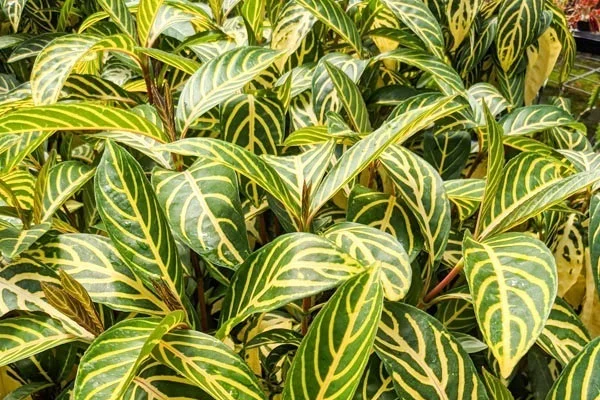
Sanchezia nobilis Problems & Remedies
Sanchezia nobilis Plant problems are yellow leaves, lack of blooms, pests among others. Keep reading for more on these problems and how to fix them.
Yellow leaves
Some of the causes of yellow leaves on Sanchezia nobilis Plant are too little light, dry air, inconsistent watering, soggy soil, aging among others.
How to fix it
Too little light: Position the plant in bright indirect light or use a grow light if the natural lighting is not enough.
Dry air: Set the pot on a wet pebble tray, group the plants together, use a cool mist humidifier or grow the plant in a well-lit bathroom.
Inconsistent watering: Water only when the top 1-2 inches of soil dry out but do not allow the soil to dry out completely. Do not water on a schedule.
Soggy soil: Use free-draining soil and a pot with a drainage hole.
Aging: It is natural for the old leaves to turn yellow and droop as the plant matures.
Lack of blooms
Lack of blooms on Sanchezia Plant is caused by to too little light, nutrients deficiency, dry air, too frequent repotting or temperature stress.
How to fix it
Too little light: Position the plant in bright indirect light or use a grow light if the natural lighting is not sufficient.
Nutrients deficiency: Feed it with a phosphorous-rich, water-soluble fertilizer every 4 weeks in spring and summer.
Dry air: Group the plants together, set the pot on a wet pebble tray or use a humidifier to raise humidity.
Too frequent repotting: The plant blooms best when slightly pot-bound; repot only when extremely pot-bound.
Temperature stress: Keep the plant away from drafts like windy doors, AC units, heat vents, drafty windows and others.
Pests
Common pests of Sanchezia nobilis Plant are scale insects, spider mites, mealybugs and aphids especially in dry conditions.
How to fix it
- Isolate the affected plant to prevent spread to other plants.
- Treat the infested plant with neem oil or insecticidal soap as per the manufacturers' instructions.
- Regularly clean the leaves by damp-wiping with a soft cloth to keep the pests away.
- Keeping the plant well pruned reduces the hiding and breeding places for these pests.
- To reduce the occurence of these pests, raise humidity by setting the pot on a wet pebble tray or grow the plant in a well-lit bathroom.
Frequently Asked Questions (FAQs)
1. How much sunlight does Sanchezia need?
Sanchezia thrives in bright indirect light but can tolerate some morning sunlight.
2. How often should I water Sanchezia?
Water Sanchezia when the top 1–2 inches of soil is dry. Avoid overwatering.
3. Can Sanchezia grow in low light?
Sanchezia can survive in moderate light, but too little light may cause leggy growth and loss of leaf color.
4. Why are my Sanchezia’s leaves turning yellow?
Yellowing in Sanchezia is often due to overwatering or poor drainage. Ensure the soil dries slightly between waterings.
5. How fast does Sanchezia grow?
Sanchezia has moderate to fast growth and can reach 2–4 feet tall indoors.
6. Can I grow Sanchezia in water permanently?
Sanchezia can root in water, but for long-term growth, it should be planted in soil.
7. Is Sanchezia toxic to pets?
No. Sanchezia is non-toxic to cats and dogs, making it a safe houseplant.
You liked it? Share on social media.
Related Content
Amazon Associates Disclosure
Homeplantsguide.com is a participant in the Amazon Services LLC Associates Program, an affiliate advertising program designed to provide a means for sites to earn advertising fees by advertising and linking to amazon.com.