Leaf Rust Disease in Houseplants; Causes, Symptoms, Treatment and Prevention
Some links in this post may be affiliate links
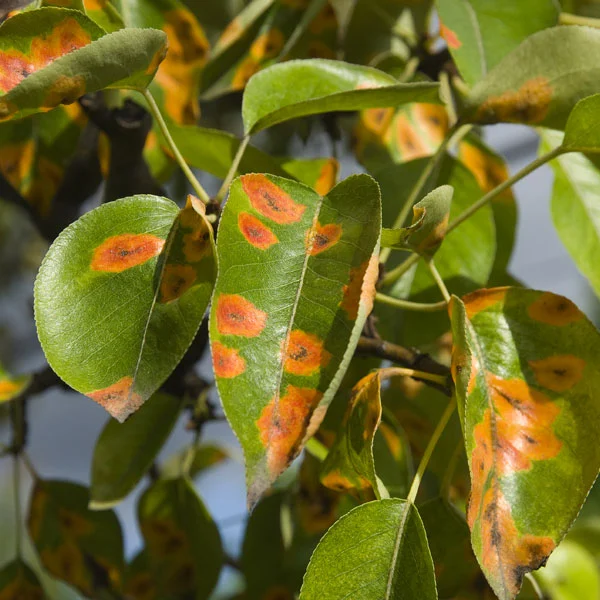
Leaf Rust Disease Causes & Symptoms
Leaf Rust Diseases are caused by a group of fungi. These fungi are parasites, which means they can only grow on a living host. Therefore, destroying the infected parts or the entire infected plant is one way of getting rid of the fungi.
Leaf rust disease is characterized by brown concentric rings of spores on the underside of the leaves. In severe infestation, the leaves may turn yellow, wither, and drop, resulting in defoliation.
The spores are wind-dispersed over long distances and can create new infection cycles within 7–10 days in warm, humid conditions. Many houseplants can be infected by leaf rust disease but Pelargoniums are especially susceptible to this disease.
Treatment of Leaf Rust Disease on Houseplants
- Control of Leaf Rust Disease is difficult. The best way to deal with it is to remove and burn the infected leaves.
- Thoroughly spray the plant with a systemic fungicide as recommended by the manufacturer. Ensure that all the parts of the plant are well covered with the fungicidal solution.
How to Prevent Leaf Rust Disease on Houseplants
- Do not take cuttings from plants that are infected by Leaf Rust disease as it can be transmitted to new plants.
- Keep the plantproperly pruned to allow light penetration and to get rid of the breeding grounds for this disease.
- Regularly, clean the leaves to get rid of dust as well as discourage the disease.
- Do not mist or wet the foliage during watering to reduce occurence of this disease.
- Maintain free air circulation for the plant to minimize the disease infestations.
You liked it? Share on social media.
Related Content
Amazon Associates Disclosure
Homeplantsguide.com is a participant in the Amazon Services LLC Associates Program, an affiliate advertising program designed to provide a means for sites to earn advertising fees by advertising and linking to amazon.com.