Crown and Stem Rot Disease on Houseplants; Causes, Symptoms, Treatment and Prevention
Some links in this post may be affiliate links
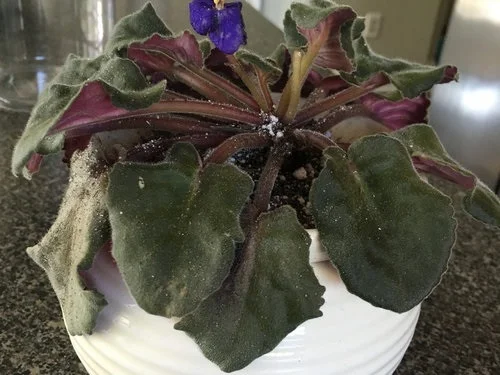
Crown and Stem Rot Disease Causes & Symptoms
Crown and Stem Rot disease is characterized by a soft and rotten part of the stem or the crown. Other symptoms are wilting despite wet soil, stunted growth, and leaves turning yellow, red, or brown. If the diseased area is at the base of the plant, it is called Basal Rot.
Crown and stem rot disease is a fungal disease which spreads rapidly and kills the plant. The disease is common in overwet, poorly ventilated plant growing conditions.
How to Treat Crown and Stem Rot Disease on Houseplants
If caught early, Crown and Stem Rot Disease can be treated but if it has spread, the plant cannot be saved and it should be discarded.
- To save a plant that is in the early stages of infestation, cut away and discard or burn the diseased tissue to prevent spread.
- Remove the plant from its current pot and wash the roots with warm water.
- Trim any affcted roots and treat the entire plant with a solution of 1 part of 3% hydrogen peroxide and 2 parts water.
- Disinfect the pot with the hydrogen peroxide soultion or use a fresh pot to repot the plant. Use a pot with a drainage hole and well-draining soil to prevent sogginess.
- Keep the soil on the drier side for 7-10 days before watering, to allow the plant enough time for recovery.
- Position the plant in a warm, brightly-lit spot for faster establishment.
Note: If the plant is too far gone, discard or burn it. Discard its pot and the soil as the treatment will not be effective and the disease may spread to the rest of the plants.
How to Prevent Crown and Stem Rot Disease from Houseplants
- Maintain the plant well pruned to allow light penetration and to get rid of the breeding grounds for this disease.
- Occasionally, clean the leaves to discourage the disease.
- Do not mist or wet the foliage during watering to minimize the disease occurence.
- Ensure free air circulation for the plant to depress the disease infestation.
- Avoid keeping the plant in very cold conditions as they promote the disease multiplication.
- Use a pot that has a drainage hole and free-draining soil to prevent overwet soil conditions.
- Always allow the top few inches of soil to dry out between waterings; do not water on a schedule to avoid waterlogging.
You liked it? Share on social media.
Related Content
Amazon Associates Disclosure
Homeplantsguide.com is a participant in the Amazon Services LLC Associates Program, an affiliate advertising program designed to provide a means for sites to earn advertising fees by advertising and linking to amazon.com.