Anthracnose Disease on Houseplants; Causes, Symptoms, Treatment and Prevention
Some links in this post may be affiliate links
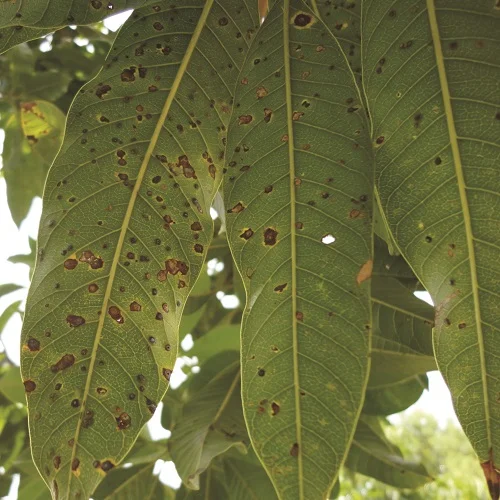
Anthracnose Disease Symptoms
Anthracnose disease is characterized by sunken, black spots on the foliage, which expand into large blotches. Dark brown streaks may occur at the leaf tips. In severe cases it can lead to premature leaf drop and dieback of the stems.
Anthracnose disease is caused by a group of fungi in the genus Colletotrichum. The disease is associated with warm and very moist conditions especially where air circulation is limited.
Many houseplants can be attacked by Anthracnose disease but Palms and Ficus are highly susceptible to this disease.
Anthracnose Disease Treatment on Houseplants
- Remove the affected parts of the plant and discard or burn them. Do this to reduce spread to the rest of the plant and to the other houseplants.
- Spray the infected plant with a systemic fungicide as per the manufacturer's recommendations. Ensure to cover all the foliage well with the fungicidal solution.
- Keep the soil on the drier side for 7-10 days before you resume watering to allow enough time for recovery.
How to Prevent Anthracnose Disease in Houseplants
- Keep the plant well-pruned to allow air circulation and to reduce the breeding grounds for this disease.
- Regularly, clean the leaves to depress the disease infestations.
- Do not mist the plant and avoid wetting the foliage during watering to discourage the disease.
- Always allow the top few inches of soil to dry between waterings to prevent waterlogging.
- Use free-draining soil and a pot with a drainage hole to prevent overwet growing conditions.
- Maintain proper air circulation for the plant to minimize the disease occurence.
You liked it? Share on social media.
Related Content
Amazon Associates Disclosure
Homeplantsguide.com is a participant in the Amazon Services LLC Associates Program, an affiliate advertising program designed to provide a means for sites to earn advertising fees by advertising and linking to amazon.com.